

Latest from TUCSS & WTC2028
WTC 2028 SINGAPORE
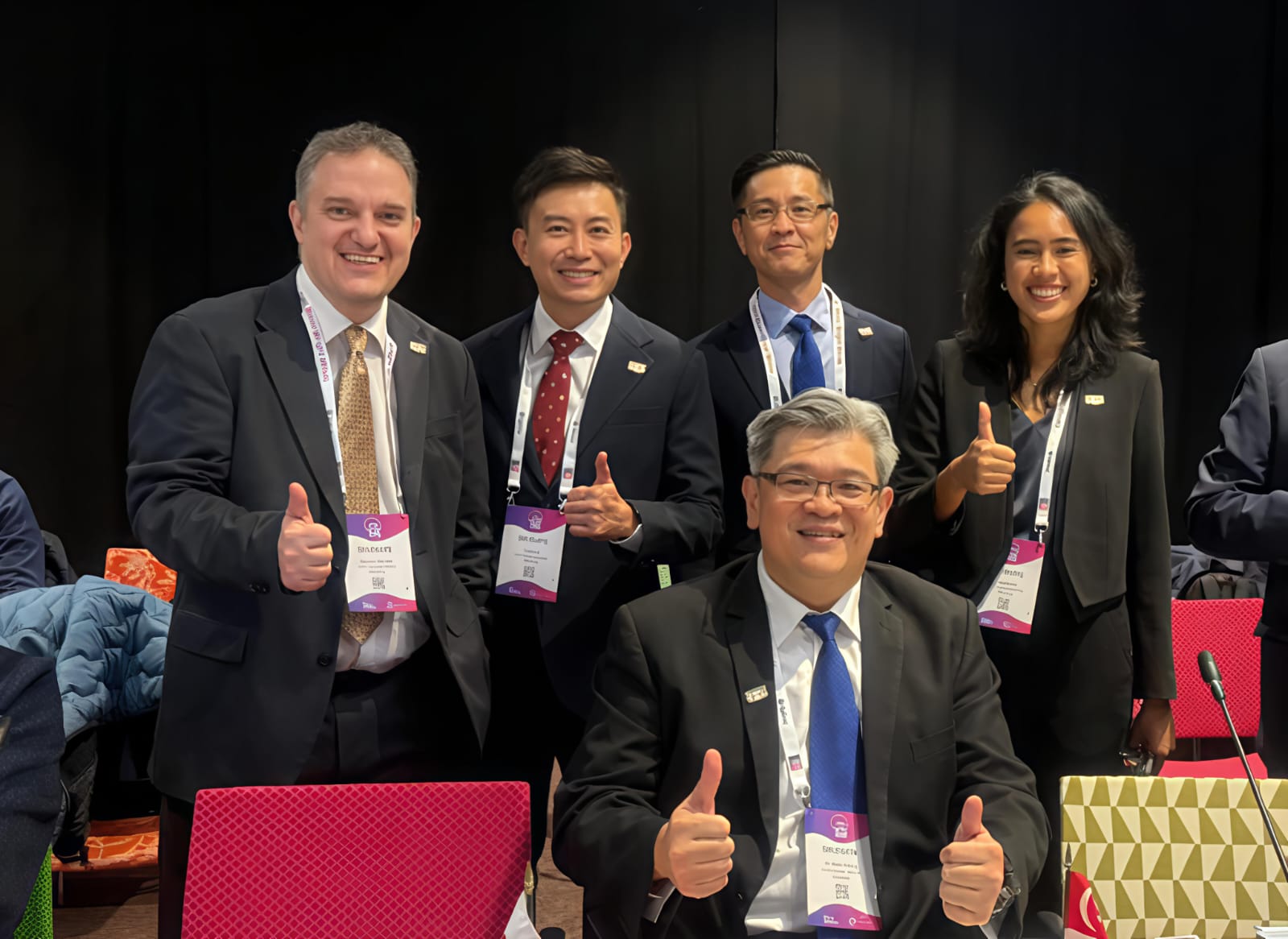
The Tunnelling and Underground Construction Society Singapore (TUCSS) has officially won the bid to host the World Tunnel Congress (WTC) 2028 in Singapore!
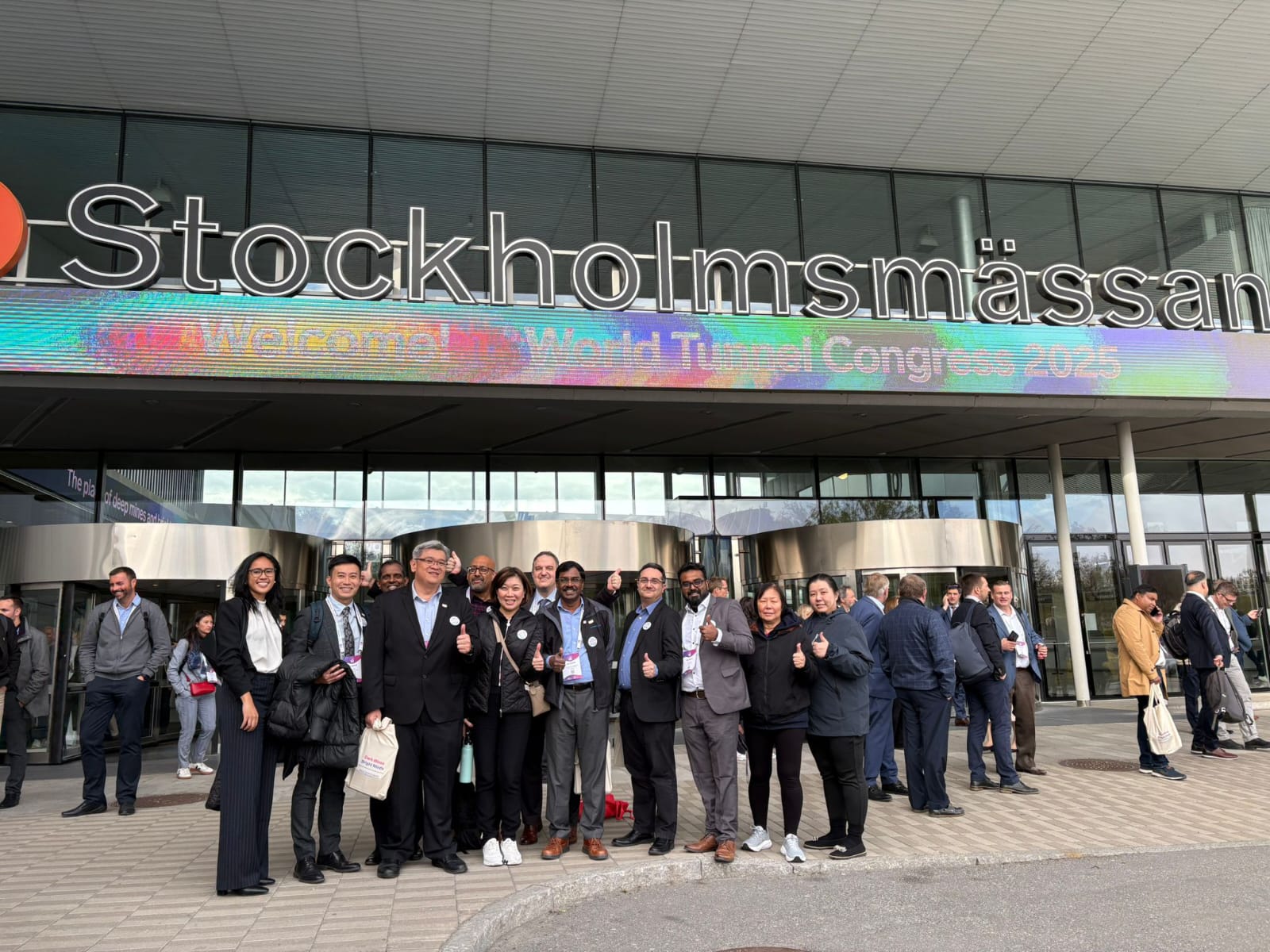
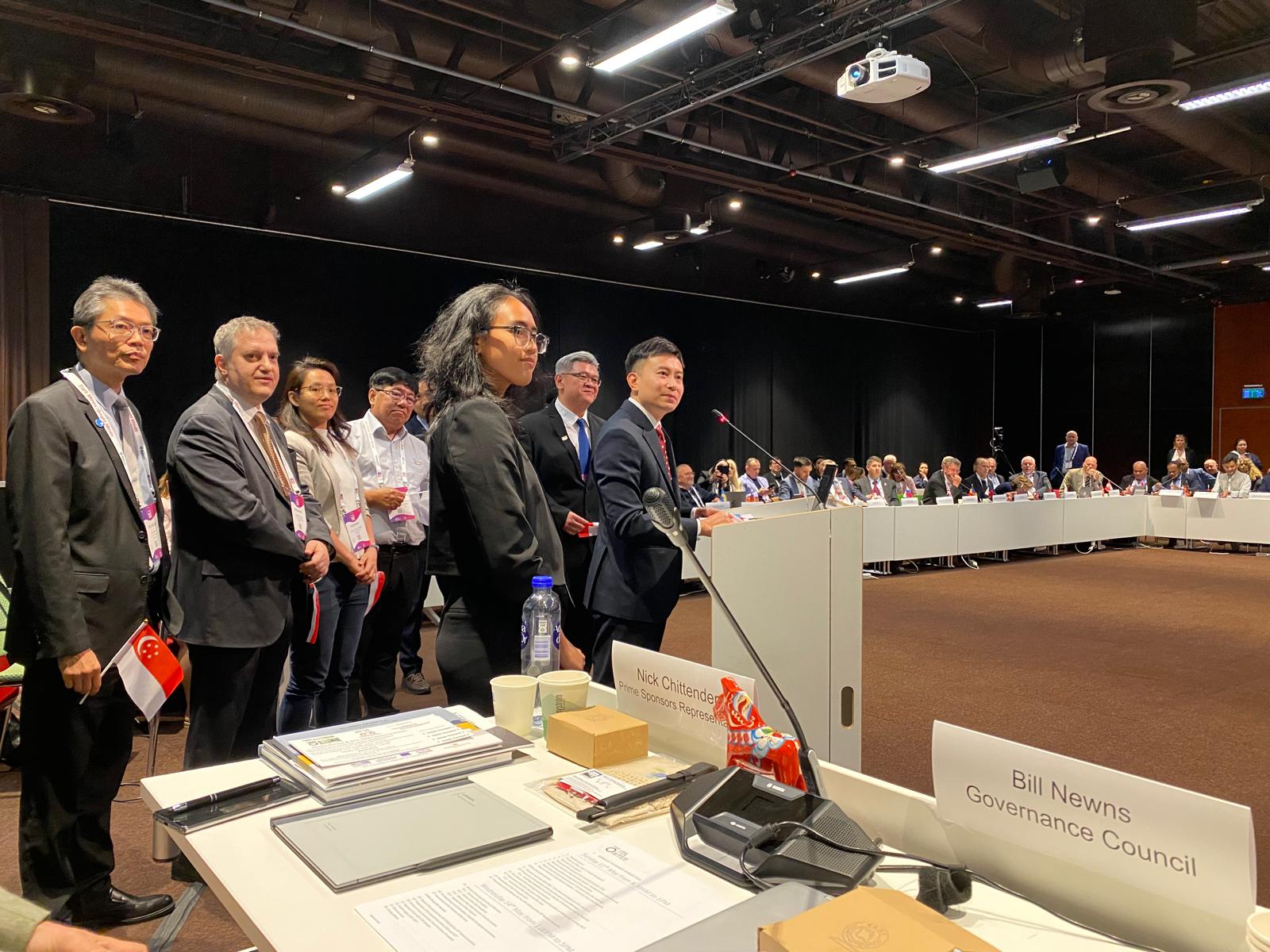
Voting was held during the ITA General Assembly in Stockholm, Sweden during the World Tunnel Congress 2025.
“Thank you to everyone who supported our bid to host WTC2028. We are honoured by your trust and look forward to welcoming the global tunnelling community to Singapore in 2028.” — Massimo Marotta, Chairman, WTC2028 Organising Committee


Host Society
The Tunnelling and Underground Construction Society (TUCSS) in Singapore was officially established on 13 May 1998. Since its humble beginnings, TUCSS has grown into a robust society with over 1,000 members, organizing numerous technical and networking activities to support the professional development of its members. Affiliation to the International Tunnelling Association (ITA) was accepted at ITA 1999 General Assembly in Oslo on 30th May 1999. TUCSS has since been an active and contributing member of the ITA, motivated by its Vision and Mission, hosting the World Tunnel Congress in 2004 and the ITA Tunnelling Awards in 2016. For more information, visit the TUCSS website.
CONGRESS THEME
Our proposed theme, “Building Smarter Underground for a Sustainable Future”, calls on the global tunnelling community to embrace intelligent, data-driven solutions and cutting-edge technologies like AI/ML. Aligned with ITA’s strategies, it promotes sustainable practices and smarter urban growth while addressing the challenges of congested subterranean spaces and environmental concerns. The conference aims to showcase success stories, tackle challenges, and foster collaboration, driving innovation, resilience, and environmental stewardship in tunnelling and underground engineering.
TUNNELLING IN SINGAPORE
Singapore, a compact city-state of just 720 square kilometers, has embraced underground development to maximize land use and drive sustainable urban growth. Over 400 km of tunnels, constructed with over 220 TBMs, support MRT, utility, and water systems, making Singapore a global leader in underground space usage.
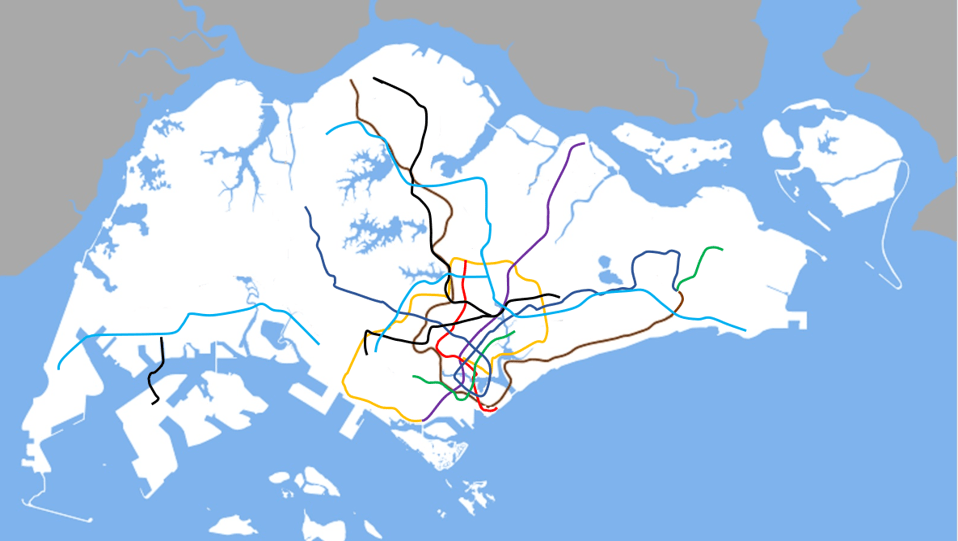
Innovative and sustainable underground solutions, like the Deep Tunnel Sewerage System, Jurong Rock Caverns, Transmission Cable Tunnels or Common Service Tunnels optimize space while enhancing efficiency and connectivity. Guided by the Underground Master Plan, Singapore integrates infrastructure with nature, positioning itself as a testbed for sustainable solutions and a model for adaptive urban living amidst climate challenges.
The Underground Ammunition Facility (UAF) was completed in 2008 and was built in rock caverns under the old Mandai Quarry, taking 10 years to complete. The 100-by-26 metre ammunition chambers lie several storeys underground and are linked by a warren of subterranean road tunnels — big enough for container trucks to drive through.
About 300 hectares of land, equivalent to 400 football fields, were freed up by storing ammunition in the UAF instead of conventional above-ground depots.
Singapore built the Jurong Rock Caverns facility for the storage of liquid hydrocarbons — the first of its kind in Southeast Asia. It is currently Singapore’s deepest underground development located at a depth of 150m below the ground and was officially opened in 2014.
The Jurong Rock Caverns exemplify sustainability in urban development by optimizing land use through underground storage of hydrocarbons, reducing the need for surface storage facilities.
The Kallang-Paya Lebar Expressway (KPE) and Marina Coastal Expressway (MCE) are vital to Singapore’s underground network. The KPE, completed in 2008, spans 12 km, with 9 km underground, connecting eastern and northern Singapore to ease traffic. The MCE, completed in 2013, runs 5 km underground, with 3.6 km undersea beneath Marina Bay, linking key expressways and supporting downtown development.
The KPE and MCE preserve surface space, reduce noise and congestion, and support sustainability. Their design includes advanced drainage, energy-efficient systems, and safeguards for the marine ecosystem, enhancing resilience and lowering emissions.
Construction of the Singapore Power’s Cable Tunnel started in 2012 and was completed in 2018. Comprising three underground tunnels spanning 40 km around Singapore, the tunnels were constructed at a depth of 60 metres below ground (the “height” of a 20-storey building) to minimise the congestion of underground utility services and will house 1,200 km of extra-high voltage cables.
The deep tunnels maintain stable temperatures, improving electricity transmission efficiency. Advanced cooling systems further enhance energy efficiency during operations.
The construction of the North South Corridor, a 22.5km long expressway with a 12.5km underground section, is currently in progress. The upcoming North-South Corridor (NSC) is a multi-modal transportation corridor that will enhance connectivity from the northern region to the city centre. For those stretches near the city centre, tunnels will be built to serve as the expressway for cars, taking the traffic underground.
The surface level will be reserved for pedestrians, cyclists and public buses, providing an enjoyable environmental friendly transport corridor for different users
The Deep Tunnel Sewerage System (DTSS) is a $10 billion project central to Singapore’s used water management. Designed to last 100 years, the 206 km-long underground network transports used water via gravity to reclamation plants, producing NEWater or discharging into the sea. Phase 1, completed in 2008, established a 48 km sewer tunnel and 60 km of link sewers in the east. Phase 2, operational in 2026, extends 98 km westward, and includes the future Tuas Water Reclamation Plant (TWRP).
The DTSS enhances Singapore’s water security by efficiently collecting and treating used water, boosting NEWater production for sustainability. The gravity-driven flow minimizes the need for energy-intensive pumping, leading to substantial energy savings.
The Marina Bay Cooling Network is the world’s largest underground district cooling network. It currently serves 23 buildings within the central business district, with plans to expand to include an additional five buildings.
With the addition of the 5 developments, the centralised cooling solution will have about 7 km of underground piping and will help the Marina Bay district reduce its carbon emissions by almost 20,000 tonnes annually – equivalent to removing over 17,000 cars from Singapore’s roads.
The Stamford Detention Tank (SDT), located beneath the Botanic Gardens’ Tyersall Learning Forest, spans 7,000 square meters and extends 28 meters underground, with a capacity of 38,000 cubic meters (15 Olympic-sized pools). During heavy rain, it temporarily stores excess stormwater, which is later pumped back into drains leading to the Stamford Diversion Canal (SDC) once the drainage system stabilizes.
By detaining and diverting stormwater, these infrastructures reduce the load on existing drainage systems, minimizing the risk of urban flooding. Their underground construction preserves valuable surface land for recreational and ecological purposes, such as the Botanic Gardens, enhancing urban green spaces.
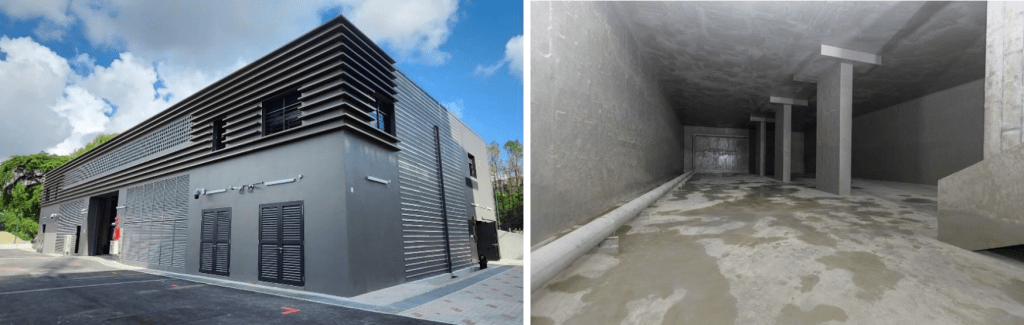
Singapore’s first Underground Service Reservoir (USR), beneath the Bidadari housing estate, holds up to three Olympic-sized swimming pools of potable water, ensuring a steady supply for 8,800 homes during peak hours. The 10ha Alkaff Lake at Bidadari Park, co-located with the USR, serves as both a scenic feature and a stormwater retention pond to prevent flash floods in nearby areas.
Beyond unlocking underground space for additional water storage, the USRs double as a back-up during emergencies or disruptions to PUB’s main water supply, ensuring a stable supply of water for residents. The project was able to save about 1,500 sq m of space by integrating the land above the water tanks with the adjacent Bidadari Park, freeing up precious land for other purposes.
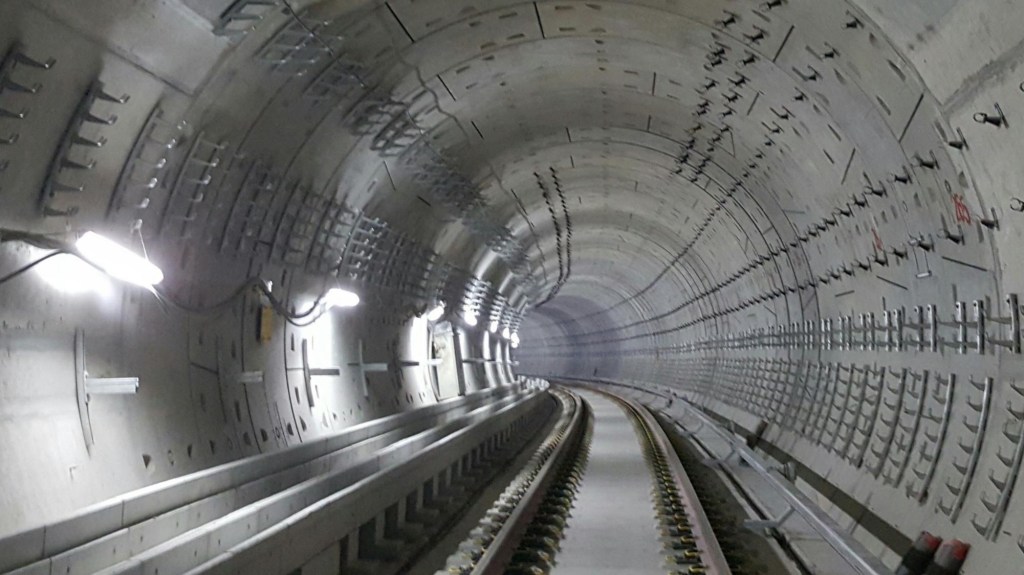
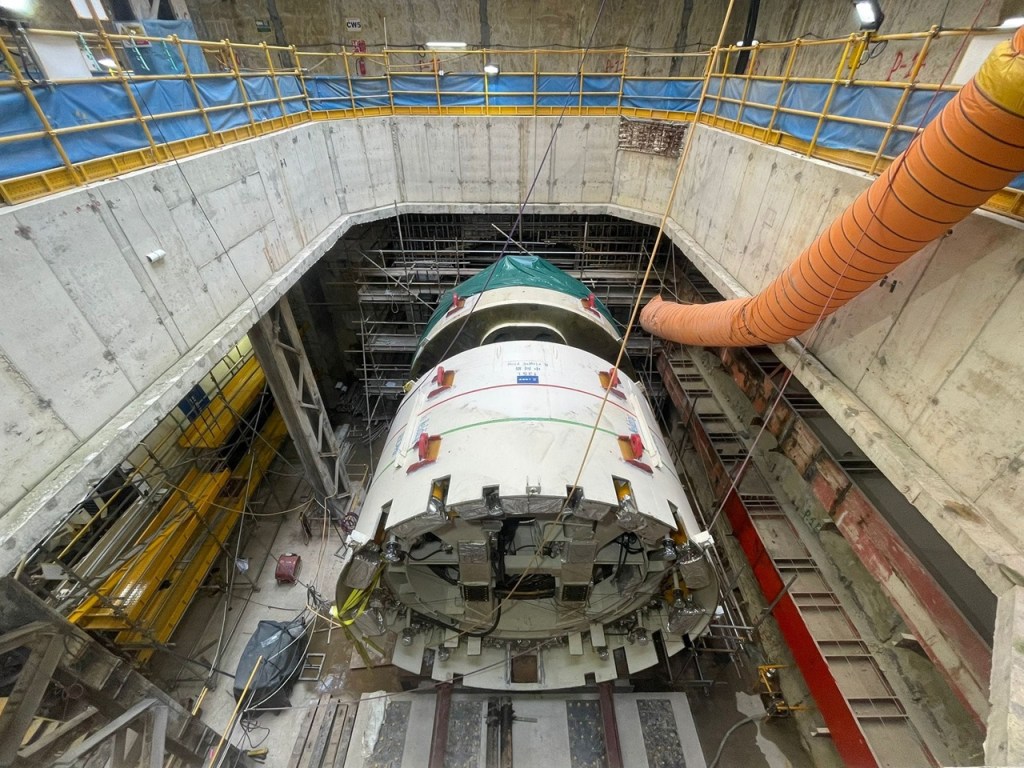
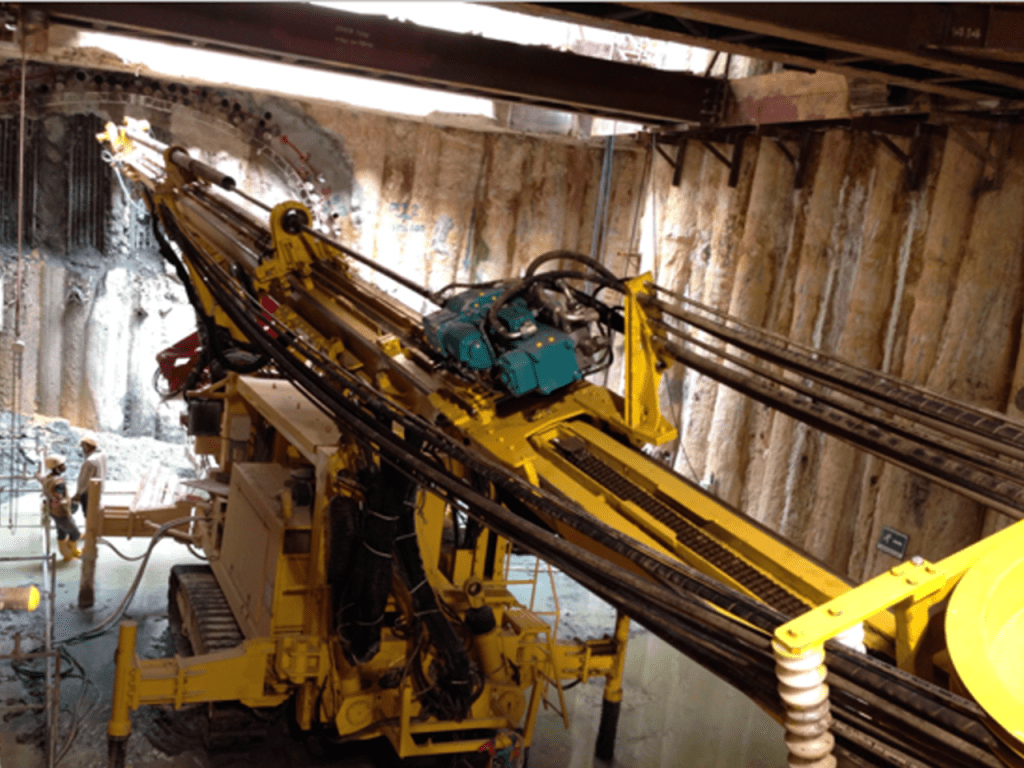
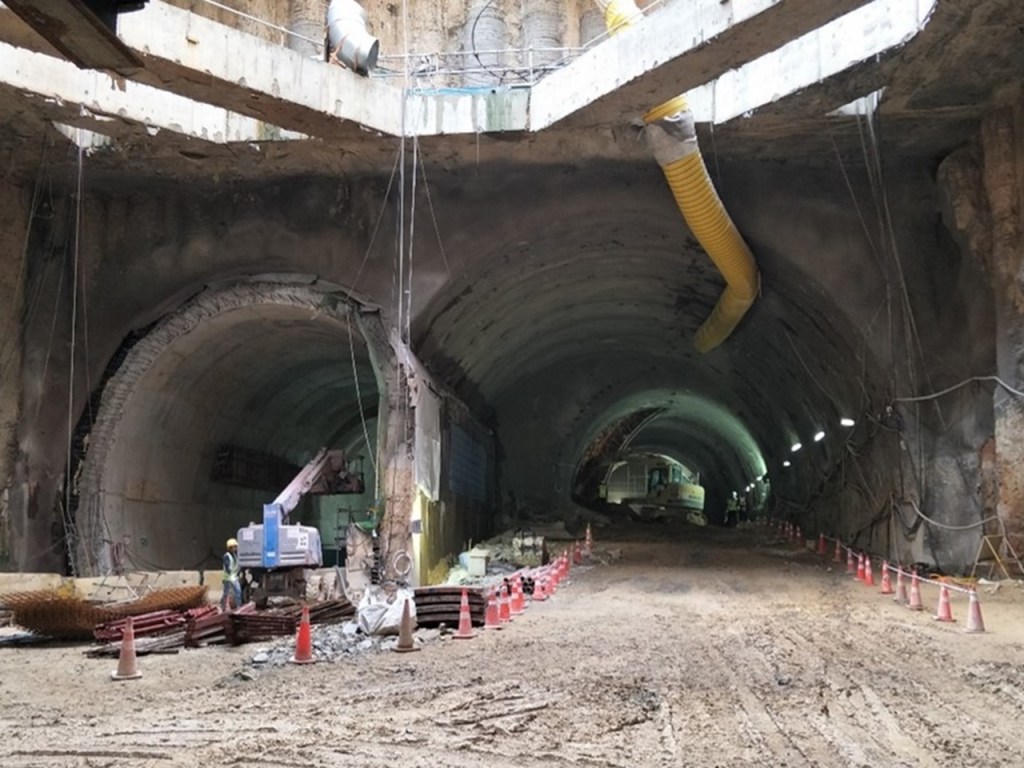
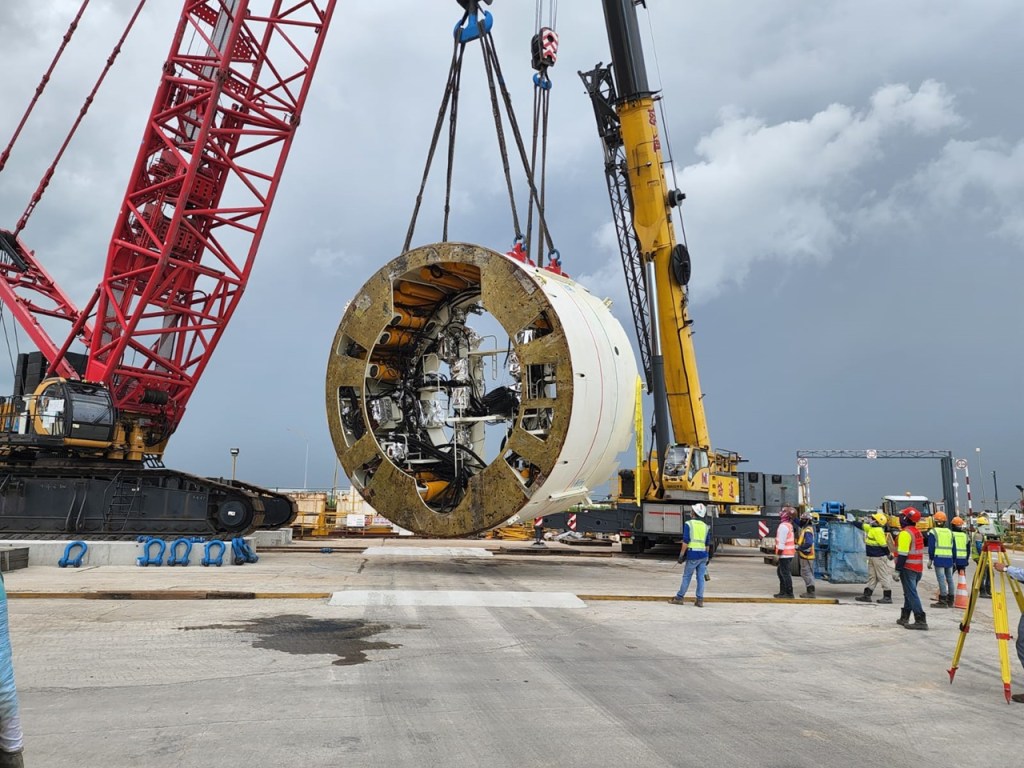
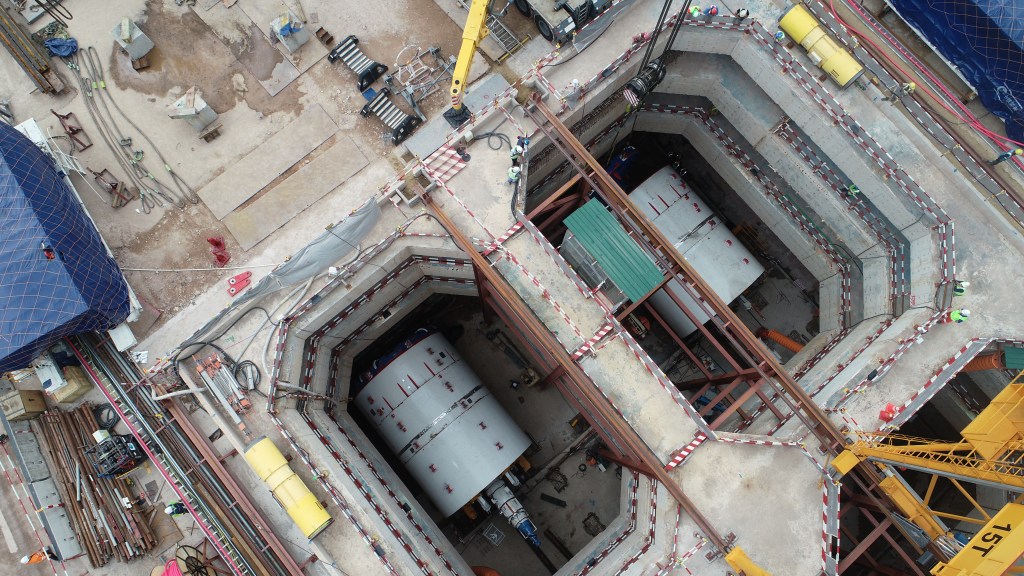
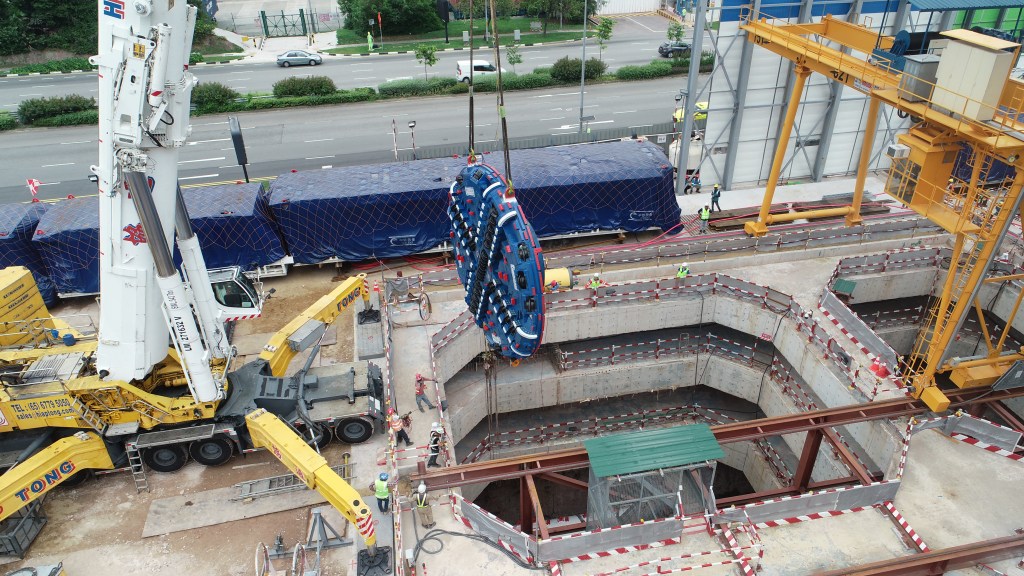
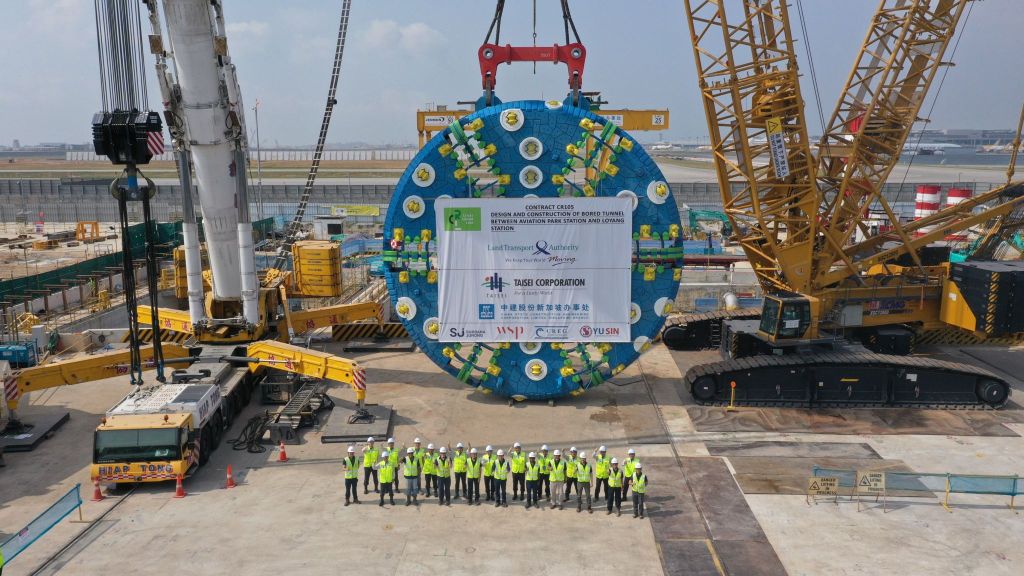
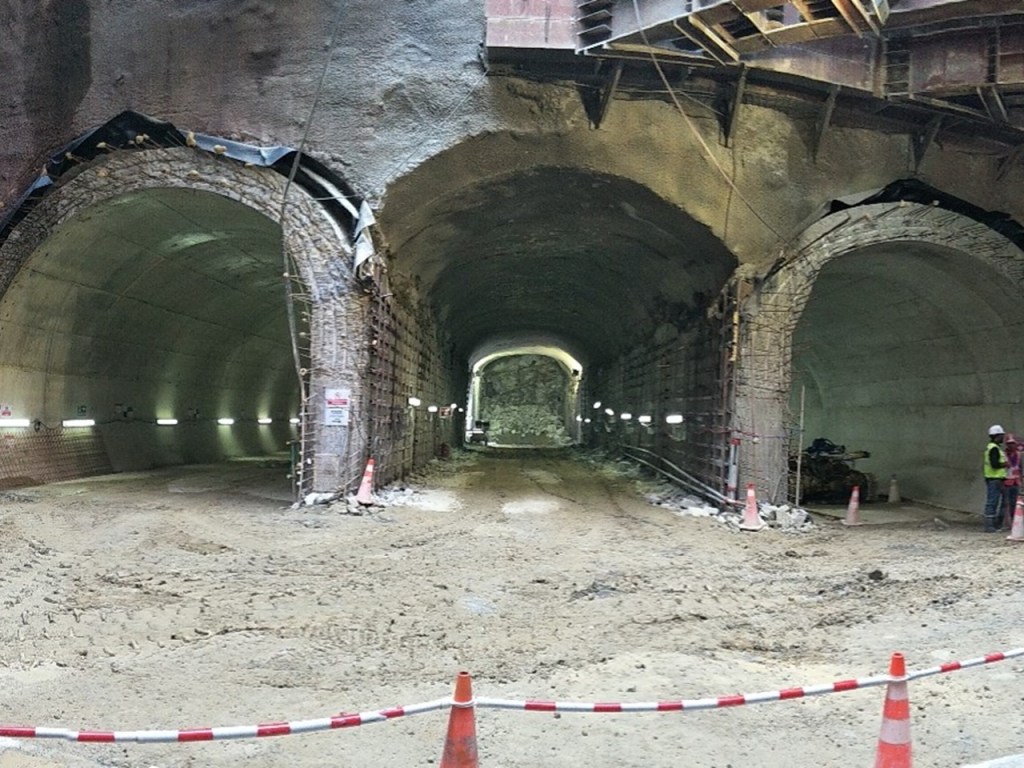
In the last 5 years, Singapore has seen the concurrent construction of a number of new MRT lines or lines extension, using a large number of tunnel boring machines.
Thomson-East Coast Line (TEL): A fully underground, 43-km MRT line connecting the north, city, and east coast. Tunneling was completed with 52 TBMs (28 Slurry TBMs, 24 EPB TBMs). Four phases opened between 2020-2024, with the final stage underway.
Circle Line 6 (CCL6): A 4-km extension with three stations, completing the loop between Harbour Front and Marina Bay. Tunneling used 3 EPB TBMs. Expected opening: 2026.
North-East Line Extension (NEL): A 2-km stretch to Punggol Coast opened in Dec. 2024, cutting travel time to the city by 15 minutes using 2 EPB TBMs.
FUTURE UNDERGROUND DEVELOPMENT
In the next 5 to 10 years, Singapore will continue to explore greater use of its underground space to further optimise land use and provide capacity for future needs. Going underground would be the approach to optimise land use and improve the quality of our living environment.
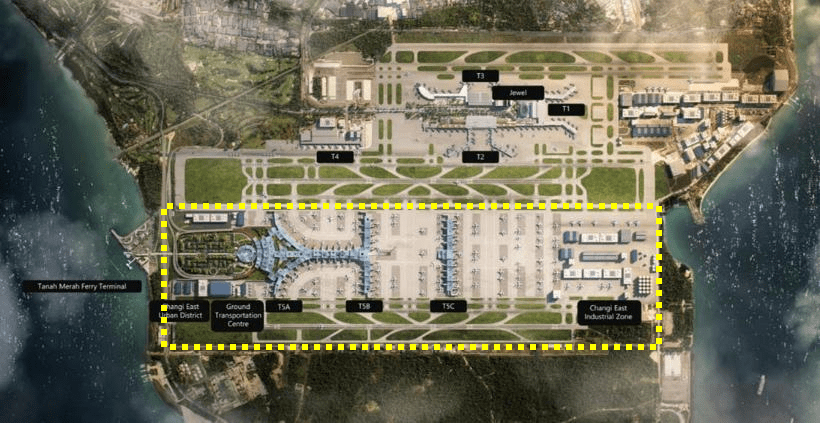
The upcoming Terminal 5 at Changi Airport in Singapore is set to handle 50 million passengers annually and is expected to be operational by the mid-2030s. The project includes an extensive 18-kilometer underground tunnel network to establish seamless airside connections within T5 and between the existing terminals (T1, T2, T3, and T4). These tunnels will streamline the movement of passengers, baggage, and airside vehicles.
PUB, Singapore’s national water agency, is conducting a study from 2023 to 2025 to evaluate the use of underground spaces for drainage and flood control. The proposed system includes underground drainage and reservoir components to address inland and coastal flooding caused by rising sea levels and increased rainfall due to climate change.
The transportation sector will see the expansion of the Mass Rapid Transit (MRT) system, currently spanning approximately 241 km. The target by 2030 is to expand the rail network to about 360 km. With most of the lines running underground, Singapore will see major tunnelling projects in the next years.
The construction of the 29-kilometre-long Phase 1 of the Cross Iland Line, (CRL1) targeted to be completed by 2030, is in progress and will see the use of 17 Earth Pressure Balance and 3 Slurry Pressure Balance, out of which 2 will be large diameter (>12m) TBMs able to accommodate both rail tracks.
The 7.3-kilometre CRL – Punggol Extension, targeted to be completed by 2032 is in progress, and will provide a direct link for commuters travelling between eastern and north-eastern areas of Singapore. It wills see the use of 4 EPB TBM including one 12.6 m diameter large TBM able to accommodate both rail tracks.
Civil contracts have been progressively awarded for the 15 km long Phase 2 of the CRL (CRL2), where several tunnel boring machines will be used.
Engineering studies for the CRL Phase 3 and Downtown Line (DTL) extensions are in progress.
The Thomson East-Coast Line (TEL) extension, targeted to be completed by around 2040, will provide a direct rail connection with Changi Airport Terminal 5 to the city.
LTA Master Plan 2024 forecasts that with a network expansion to 360 km, by 2030 the 80% of households would be within a 10-minute walk from a train station, ensuring a sustainable means of transport for the majority.
OTHER ICONIC PROJECTS
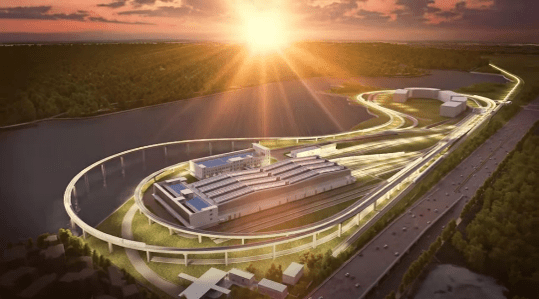
Singapore Rail Test Centre (SRTC). Located at Tuas, it will be the first railway testing facility in Southeast Asia and is modelled after overseas testing centres with similar extensive rail networks. The SRTC plays a pivotal role in Singapore’s ongoing efforts to renew, upgrade and expand the rail network. Occupying a site of approximately 50 hectares, this new dedicated facility is designed to allow rigorous testing and commissioning of trains and other core railways systems for both new and existing rail lines, improving the reliability of rail service. The facility comes with energy saving features incorporated into its design and operations (including smart lighting control, solar photovoltaic system and hybrid cooling system)
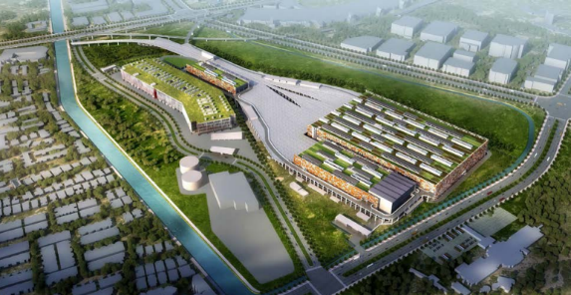
East Coast Integrated Depot. The East Coast Integrated Depot (ECID) will be the world’s first four-in-one depot, integrating three train depots and one bus depot within a single site. The train depot complex will house three MRT Lines. The three train depots have been designed to operate independently of one another, with a total stabling capacity of around 220 trains. The integrated train depot will save 44 hectares of land space, equivalent to 60 football fields.
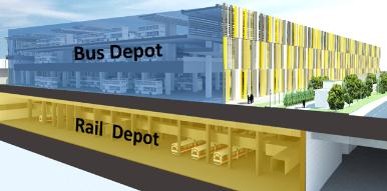
Kim Chuan Depot (Extension). As it is, the Kim Chuan Depot is one of the world’s largest depots facilities and is the first of its kind to be built underground. With the extension, the depot will increase its capacity from 70 to 133 trains and accommodate 550 buses, covering an area of almost 110,000 square-metres. The Kim Chuan Depot Extension integrates various sustainable designs such as energy-efficient air-conditioning, mechanical ventilation and lighting. Sustainable products certified under Singapore Green Labelling Scheme (SGLS) will also be used in the ceiling board, tiles and timber doors.
SUSTAINABILITY
Singapore is a shining example of a green urban oasis, seamlessly blending modern city living with nature. Known as the “Garden City” it offers lush green spaces, stunning vertical gardens, and sustainable architectural marvels like Gardens by the Bay and the Jewel Changi Airport. With over 47% green cover, Singapore’s parks, nature reserves, and tree-lined streets provide a tranquil escape for residents and visitors alike. From the scenic Southern Ridges to the eco-friendly Marina Barrage, the city is committed to sustainability and biodiversity, making it a leading destination for eco-conscious travelers.
In January 2023, Singapore was certified as a Sustainable Destination based on the Global Sustainable Tourism Council (GSTC) Destination Criteria after being the first to apply the certification process on a country level.

In the 2023 Global Destination Sustainability Index, Singapore improved 18 places to be ranked 2nd in APAC and 17th globally (out of 100 destinations).
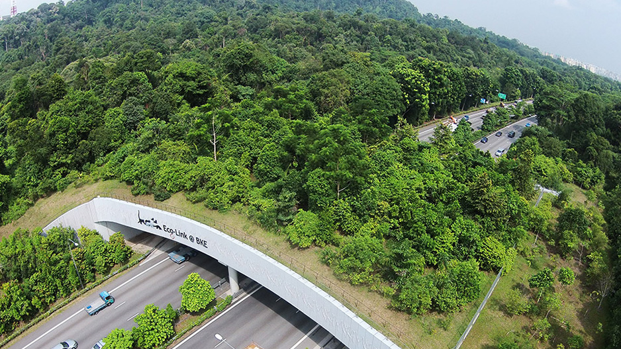
Eco Link Bridge
The Eco-Link@BKE in Singapore exemplifies sustainable infrastructure by connecting the Bukit Timah and Central Catchment Nature Reserves. This 62-meter-wide ecological bridge mitigates habitat fragmentation caused by the Bukit Timah Expressway (BKE), allowing wildlife like pangolins, civets, and squirrels to move safely between reserves. Landscaped with native vegetation to mimic natural forests, it fosters genetic diversity and promotes species movement.
Desalination Plants
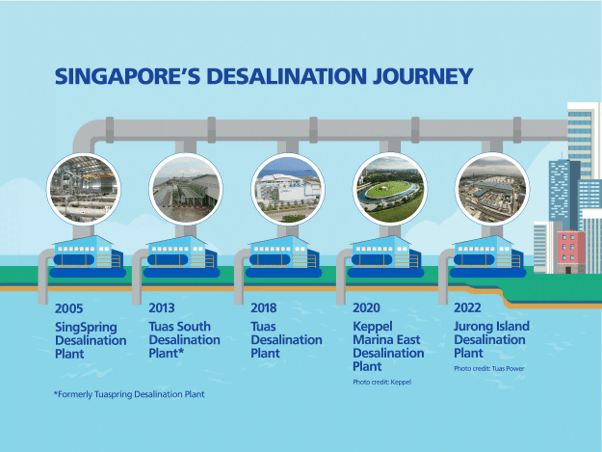
Singapore, a small island nation with limited natural water resources, relies on desalination to ensure water security alongside NEWater, local catchment water, and imported water, forming its “Four National Taps.” Currently, five desalination plants meet up to 25% of the nation’s water needs. With water demand expected to double by 2065, seawater desalination will play a critical role. Although energy-intensive, consuming about 3.5 kWh per cubic meter of water, PUB is developing innovative technologies to lower energy usage to below 2 kWh per cubic meter, ensuring sustainability and reliability for the future.
PROPOSED CONGRESS VENUE
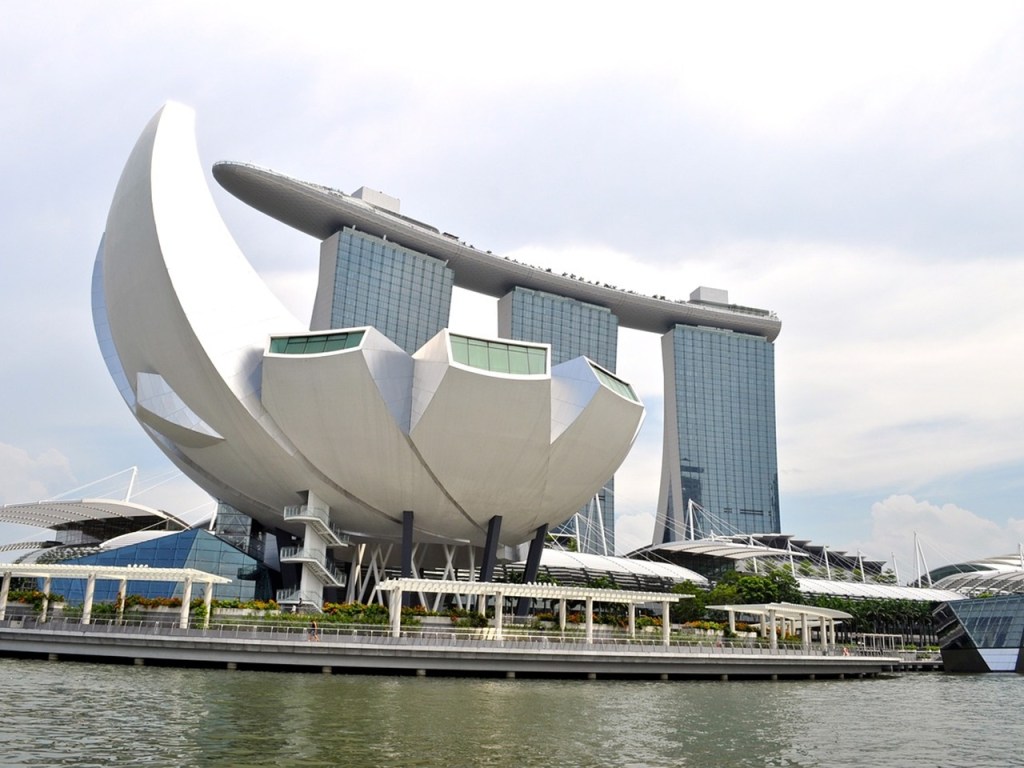
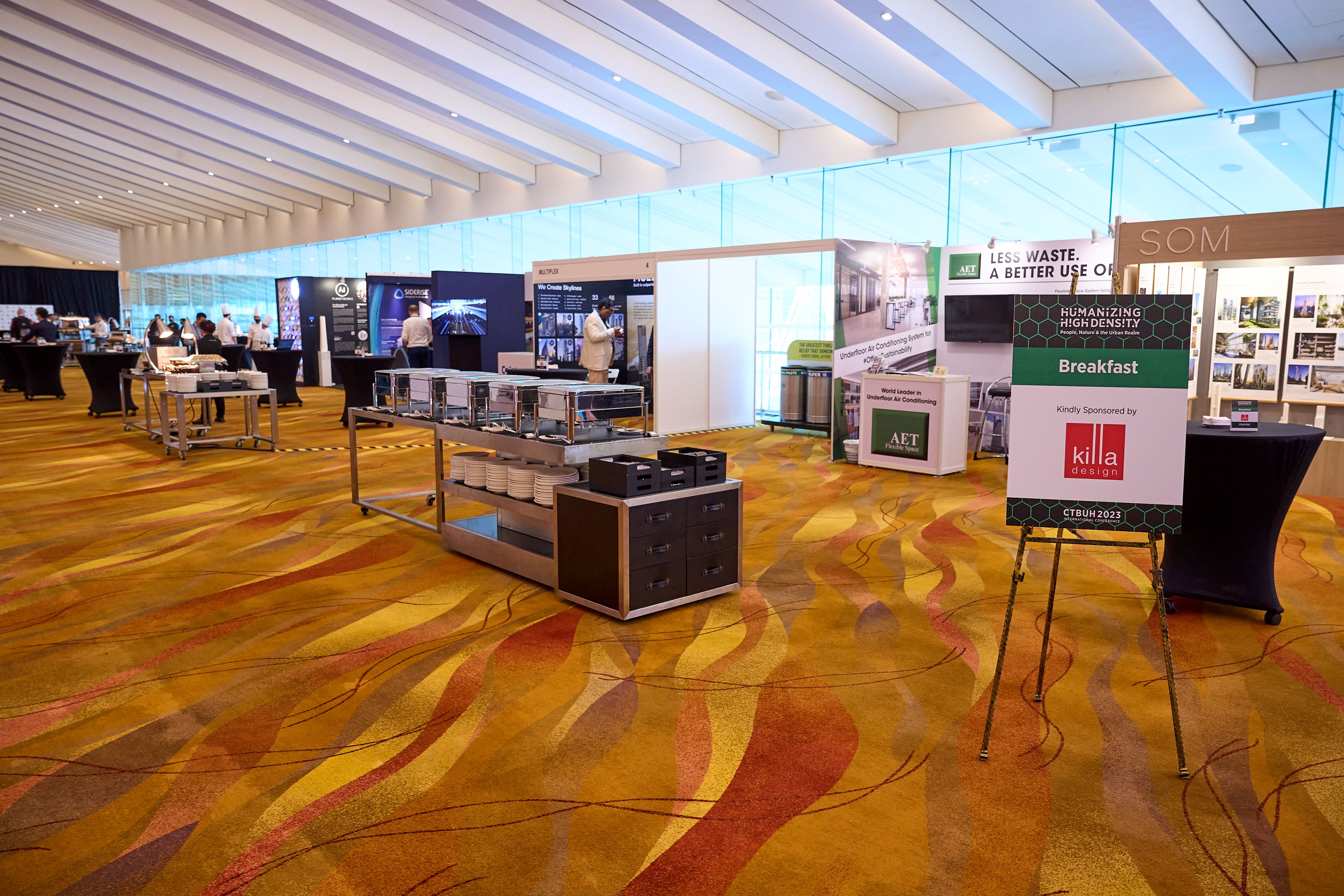
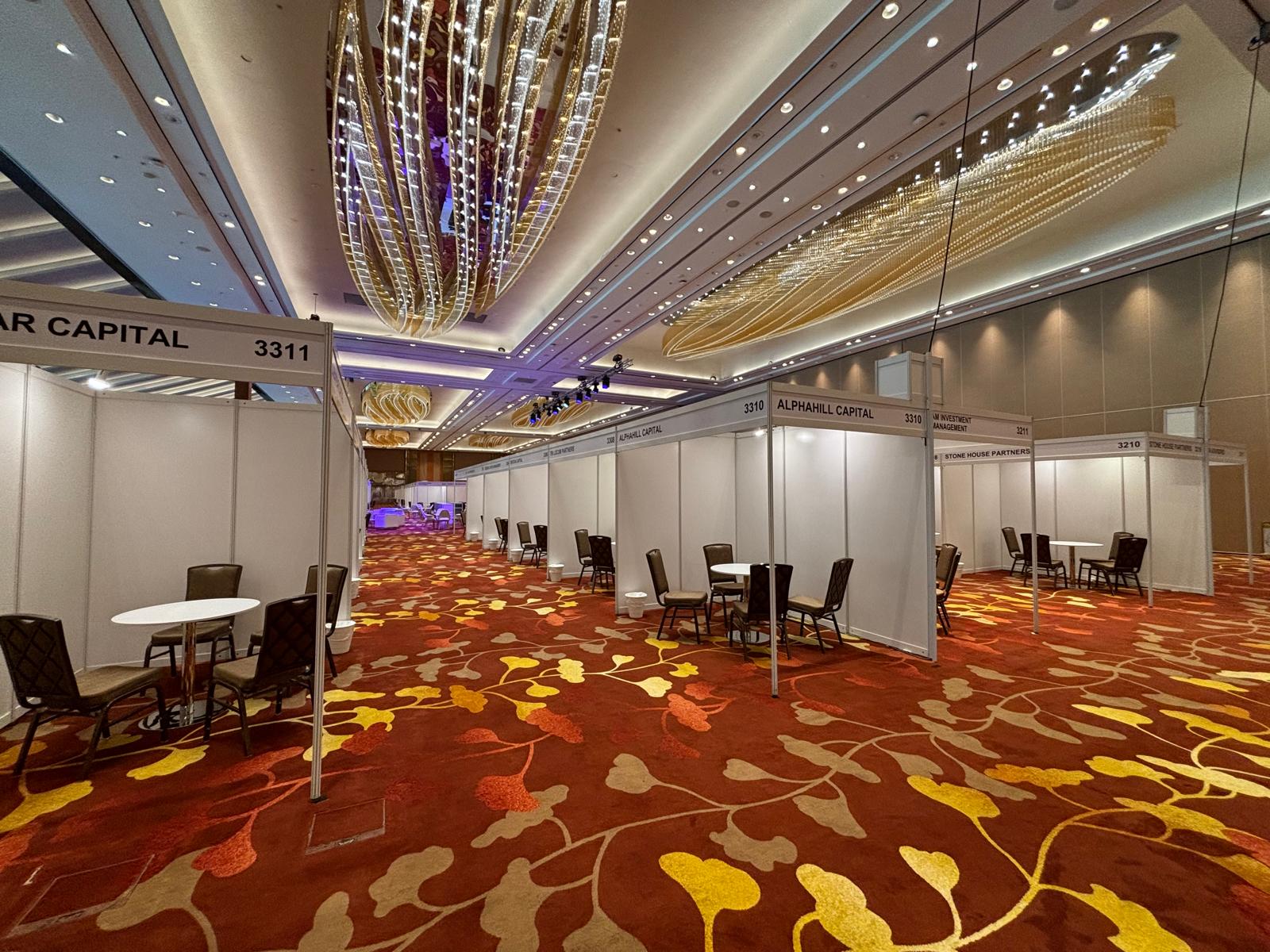
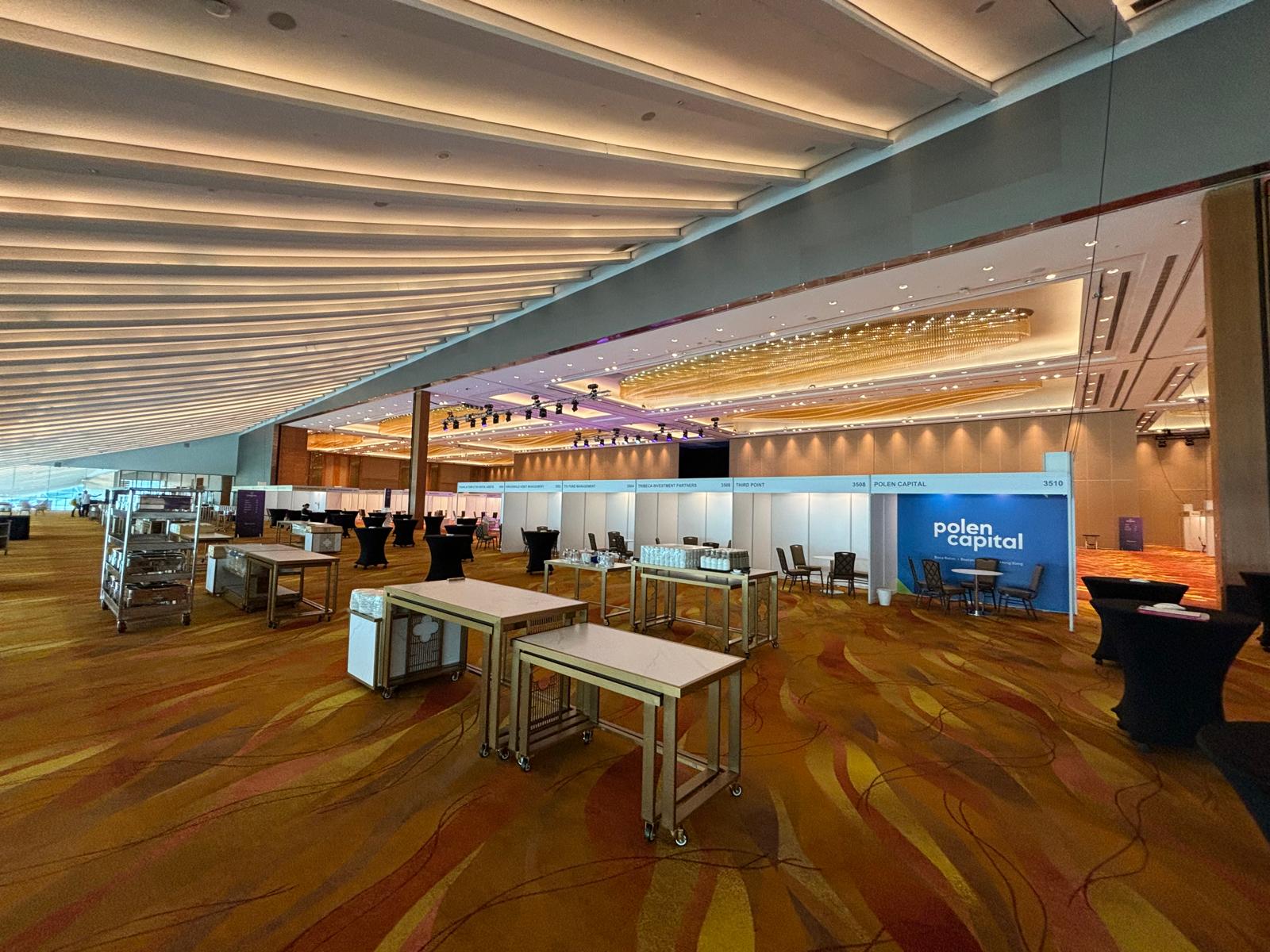
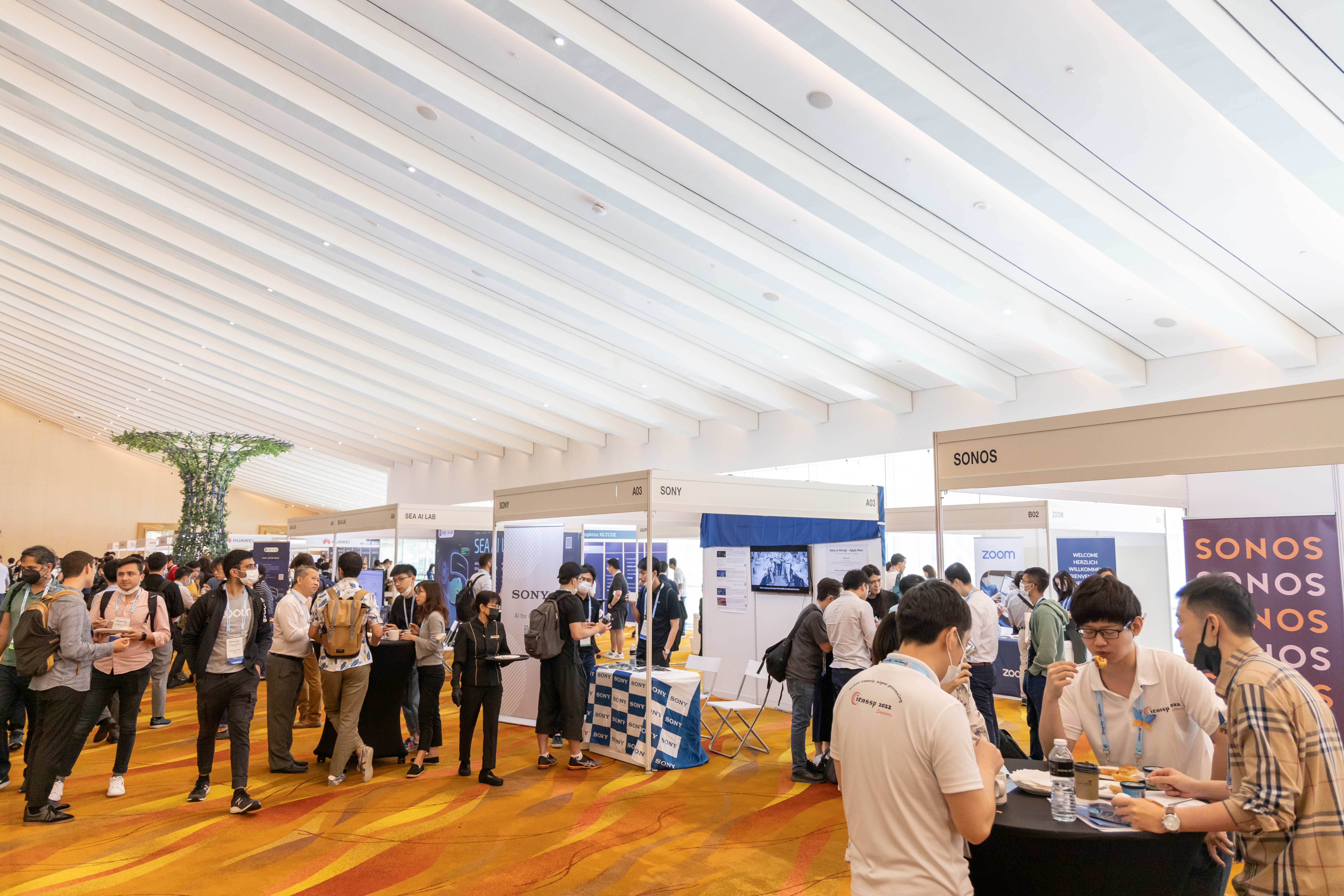
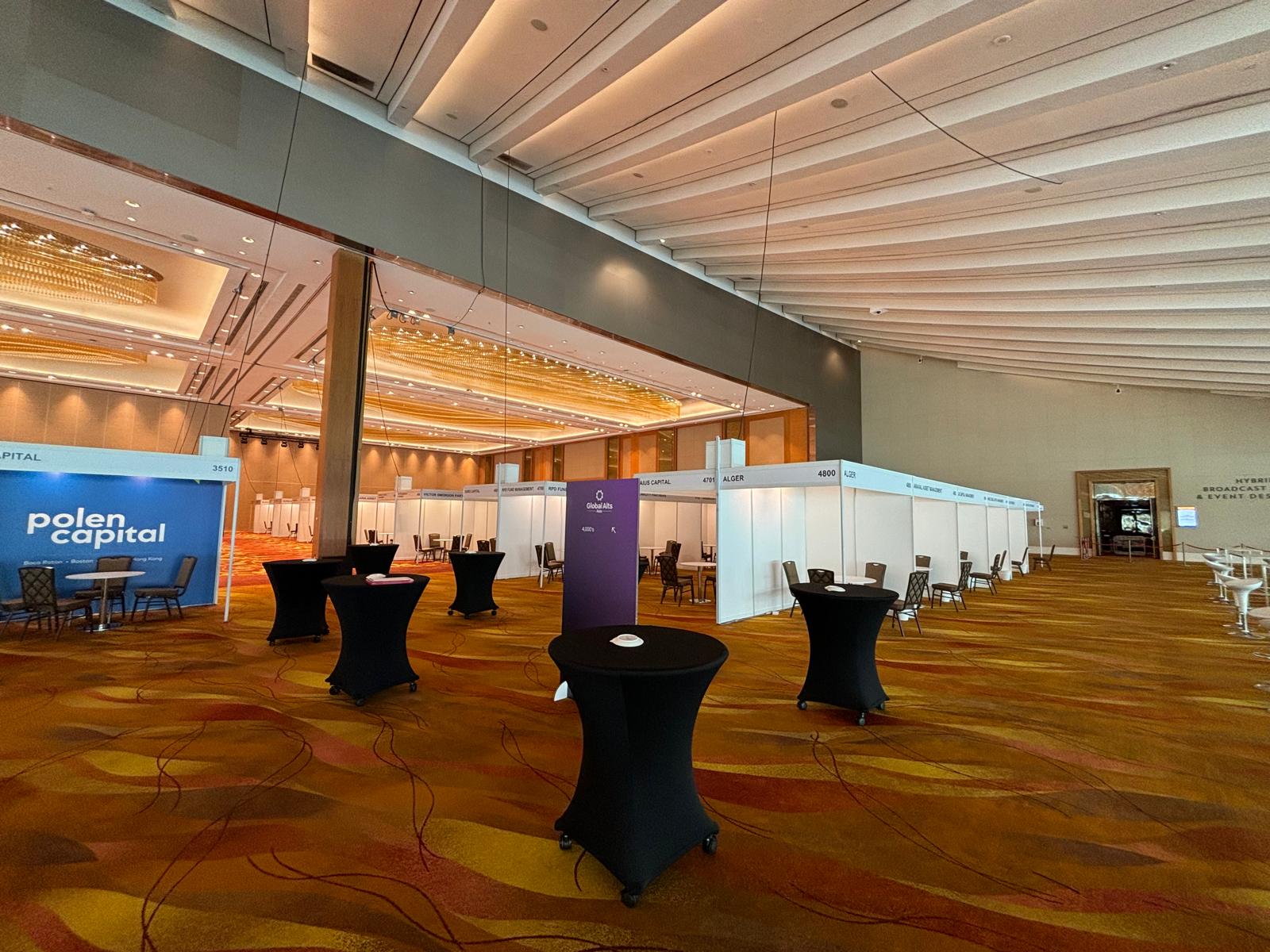
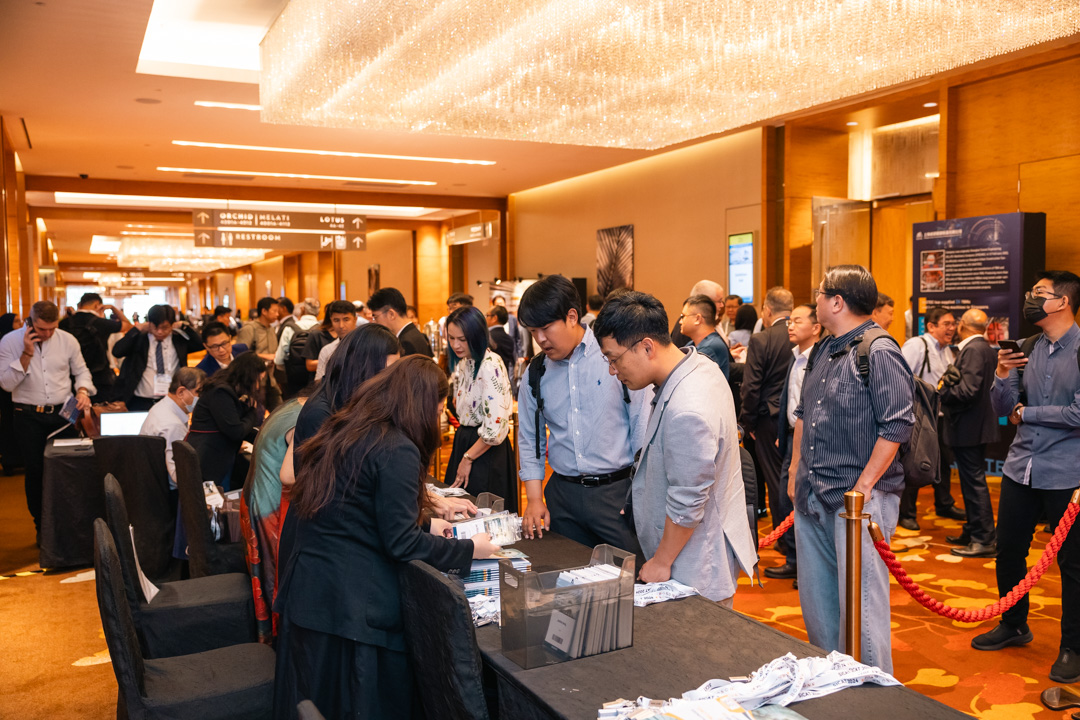
Sands Expo & Convention Centre at Marina Bay Sands is one of the largest and premier venue for international exhibition and meeting events in South-east Asia. The venue spans 120,000 square meters with 250 customizable meeting rooms, 30,000 square meters of flexible tradeshow space as well as South-east Asia’s largest column free ballroom of capacity up to 2,000 exhibition booths. Spreading across five levels, it can accommodate 45,000 delegates where visitors can stay connected to free standard WIFI access throughout the entire centre.
Marina Bay Sands (MBS) is well-known for its commitment to environmental protection and event sustainability management, having earned sustainable certifications like LEED Platinum and ISO 20121 as first Meeting, Incentives, Conference and Exhibitions (MICE) venue in Asia Pacific and Southeast Asia respectively.
In 2020, MBS became Singapore’s first carbon neutral MICE venue, supporting Singapore’s green energy targets through investments in Renewable Energy Certificates. Some of the accolades include the Outstanding Event Venue Experience award from the Singapore Tourism Awards and the Gold Certification from the Events Industry Council (EIC) Sustainable Event Standards for Venues.
HOST CITY
Global Connectivity
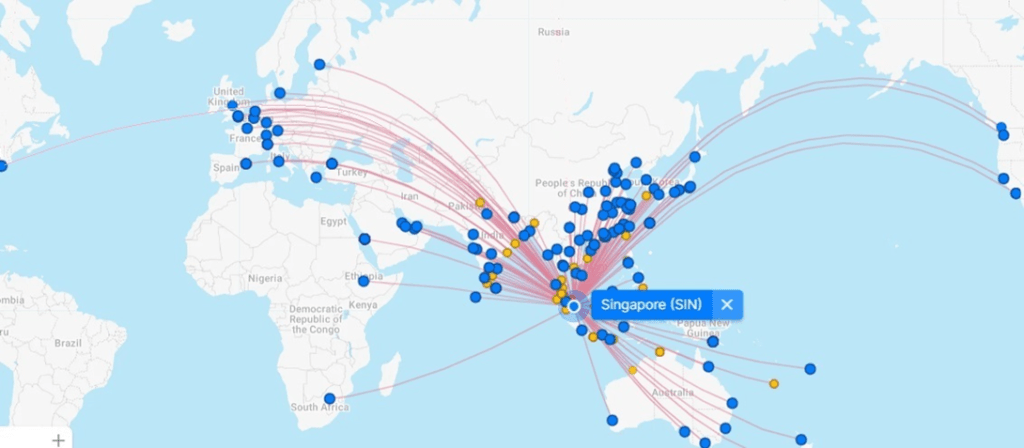
Changi Airport, a World Class Airport 13 times winner of the World Best Airport Award, offers Direct Flights to 151 international destinations in 5 continents (Asia, Africa, North America, Europe, and Australia) assuring seamless connectivity. Overall, it offers connection to over 400 cities worldwide. The proposed Congress Venue is located 20 km from the Airport, equivalent to 20 minutes’ drive.
Multicultural, Safe and Secure city
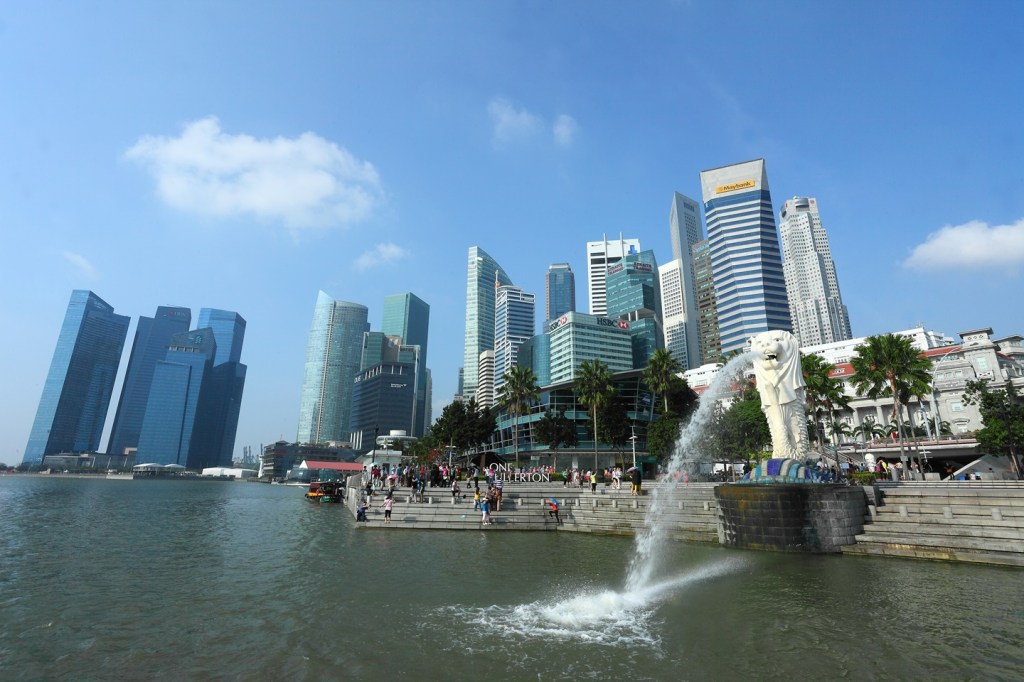
Singapore’s population is a mix of Chinese, Malay, Indian, and Eurasian communities, with policies that promote harmony and respect across all cultures.
Singapore recognizes four official languages: English, Mandarin, Malay, and Tamil, ensuring accessibility and representation for its diverse communities. Notably, English serves as the primary language for business, government, and education, making it highly beneficial for international delegates. Its widespread use ensures seamless communication and engagement, providing foreign participants with a comfortable and accessible environment for global events like WTC 2028.
The country’s culinary scene is a melting pot of diverse influences, blending Chinese, Malay, Indian, and Western cuisines, which makes eating together a cherished cultural experience, with over 40,000 food establishments, of which over 5,000 Halal Certified.
Ease of Entry
Singapore also Ranked 1st in Openness to Travel and Tourism (Travel & Tourism Development Index 2024, World Economic Forum). 159 Countries do NOT require visa visiting Singapore and for those requiring a visa, processing time is generally of 1-3 working days.
A unique experience for delegates and accompany persons
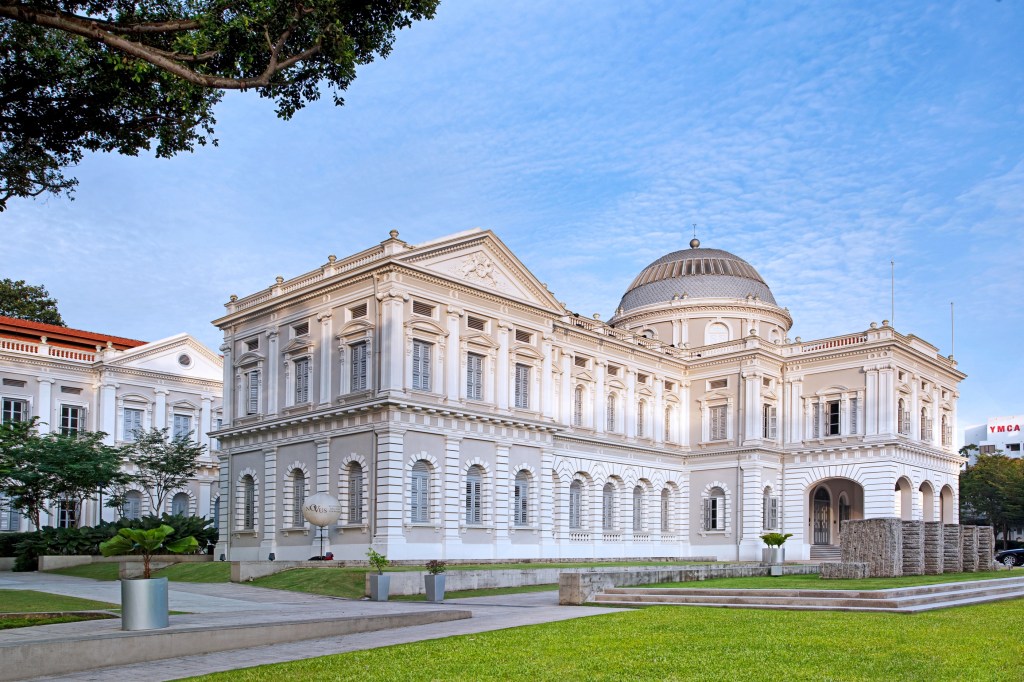
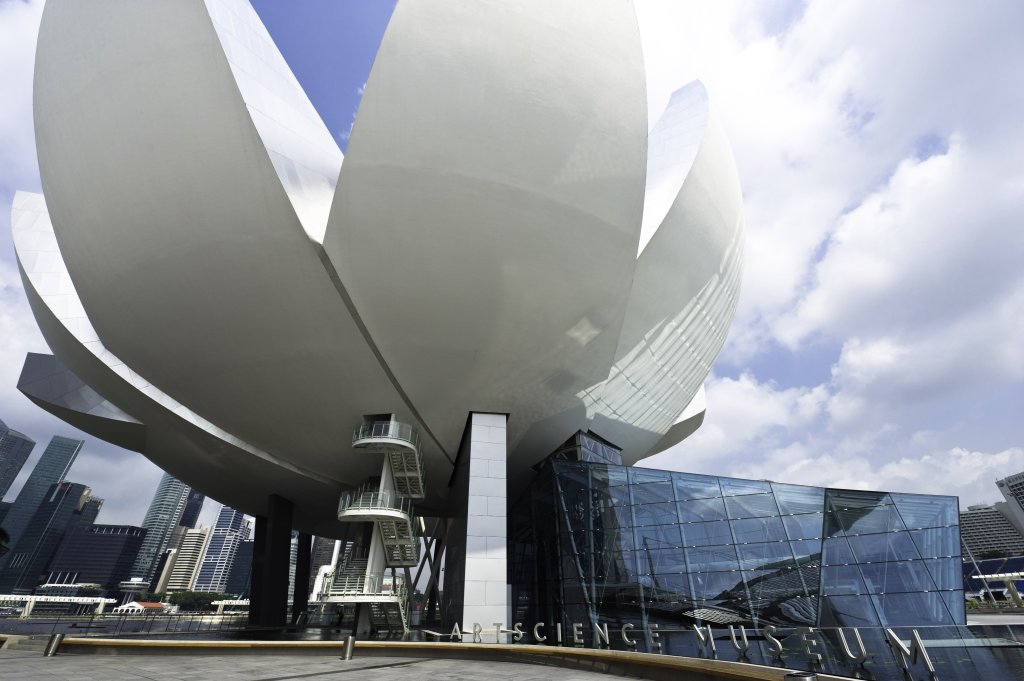
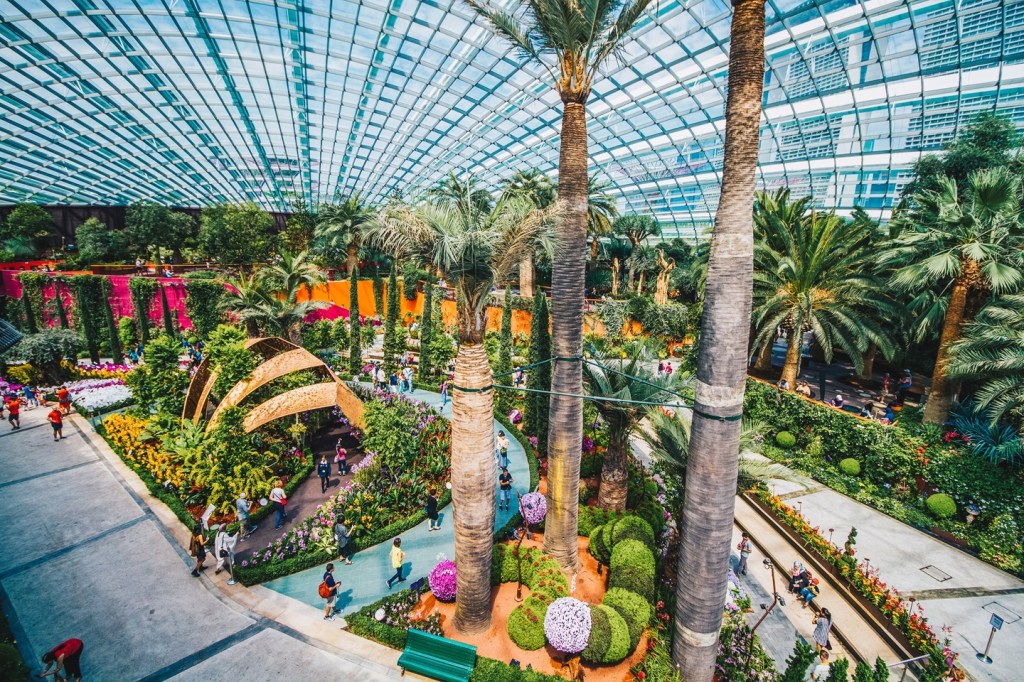
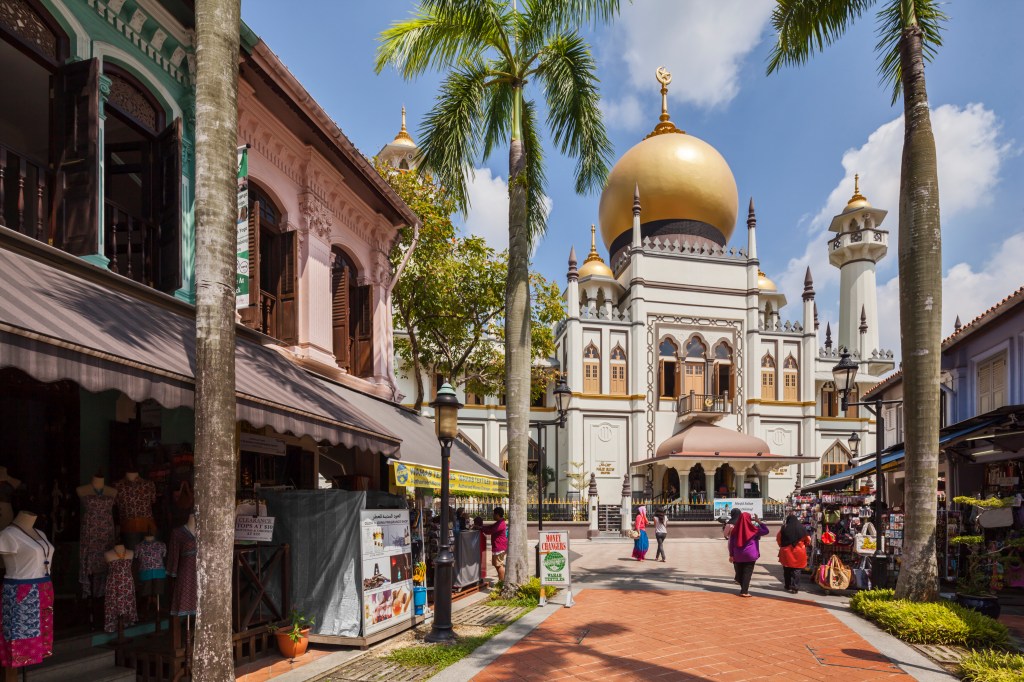
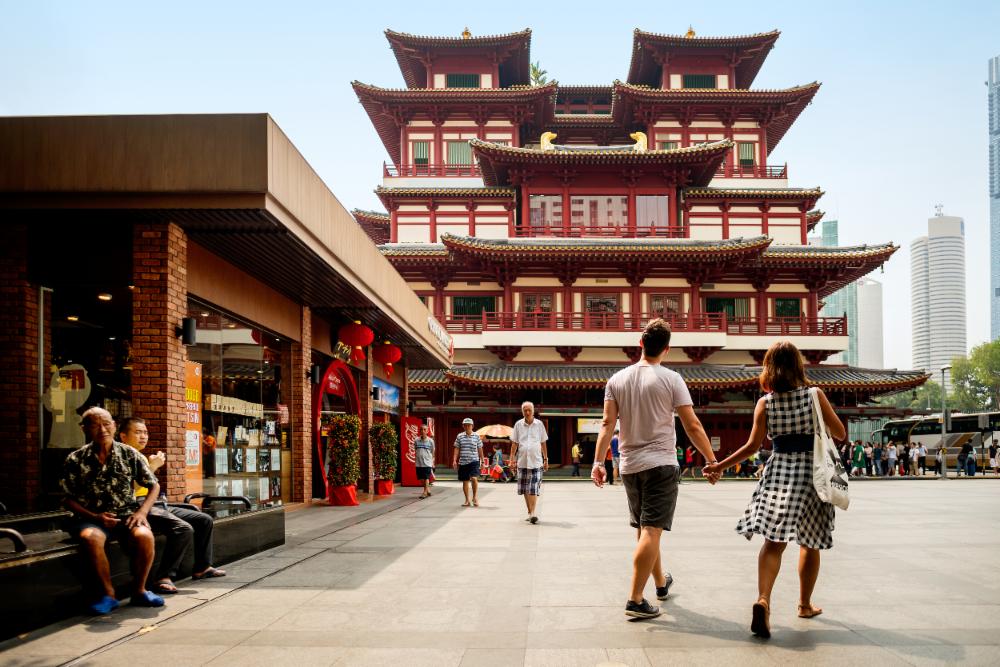
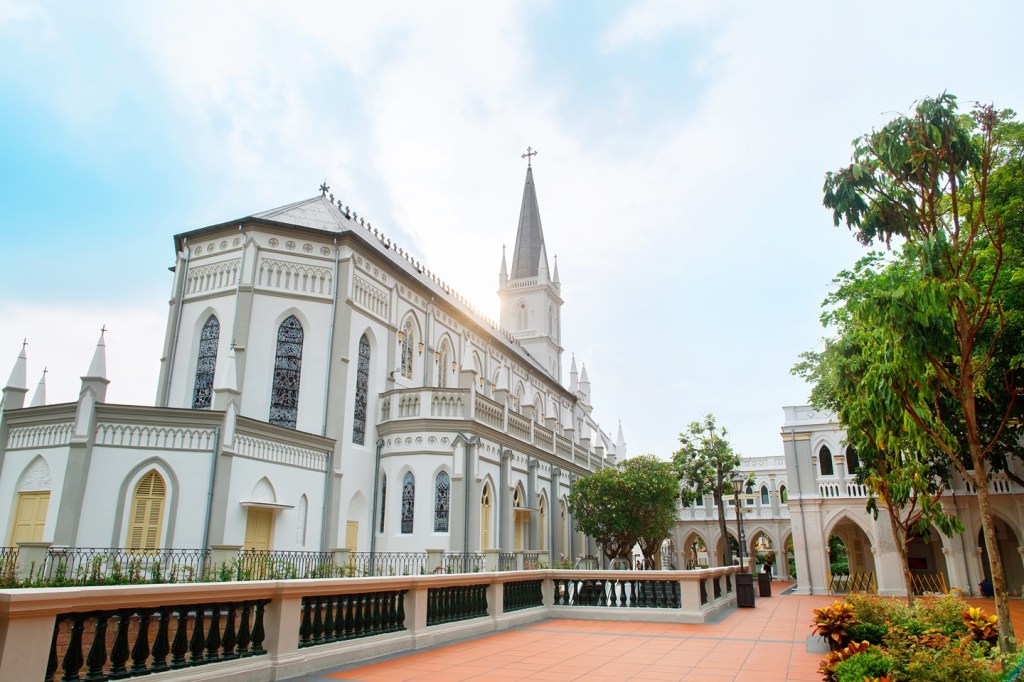
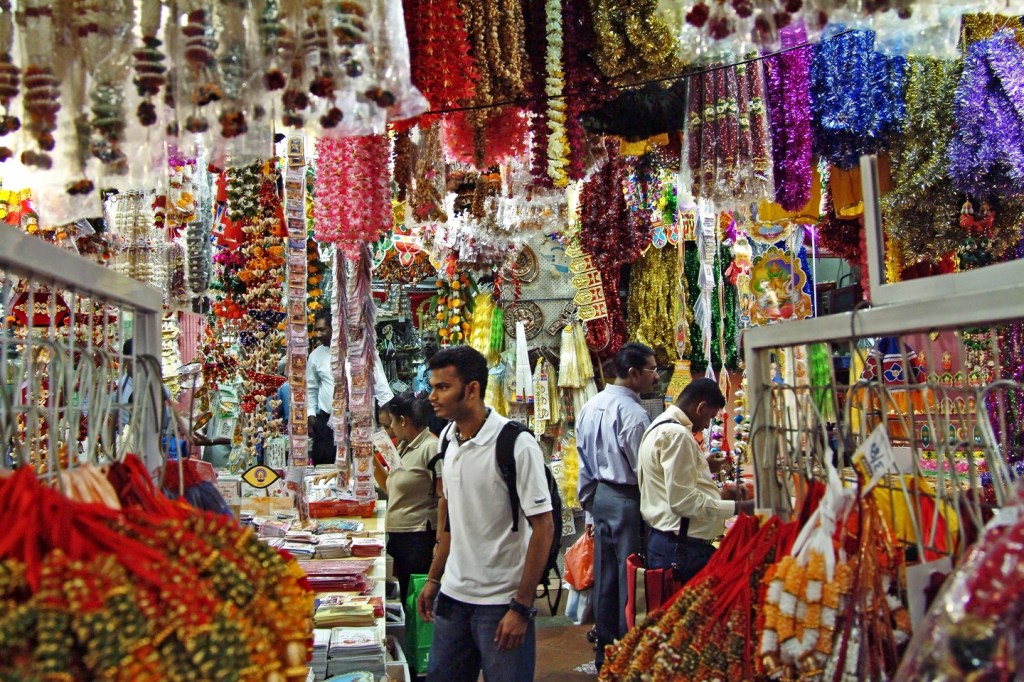
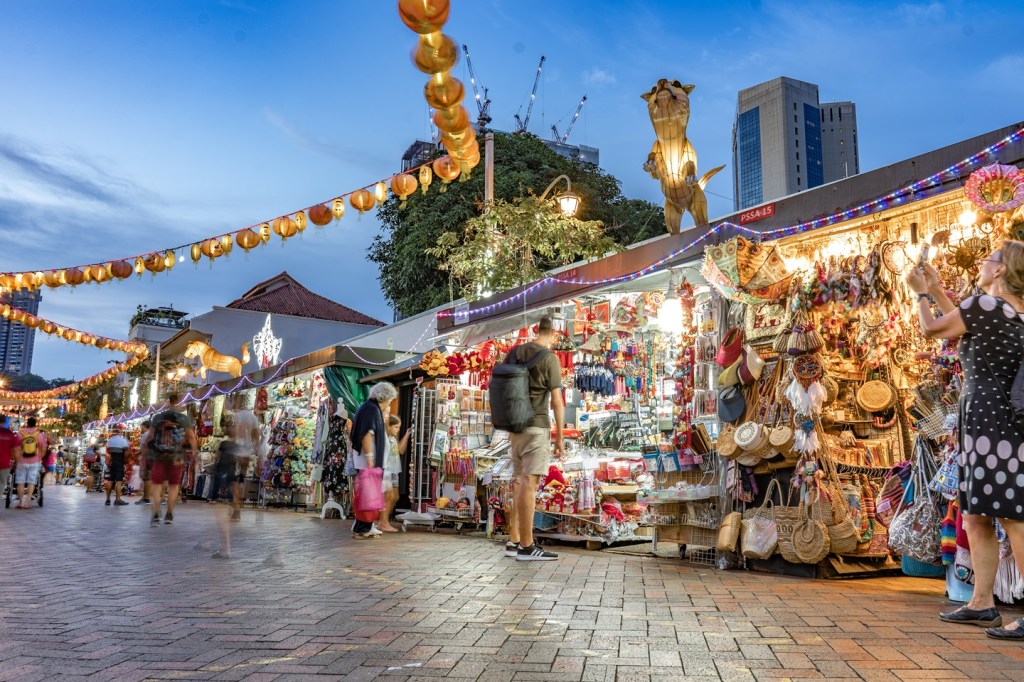
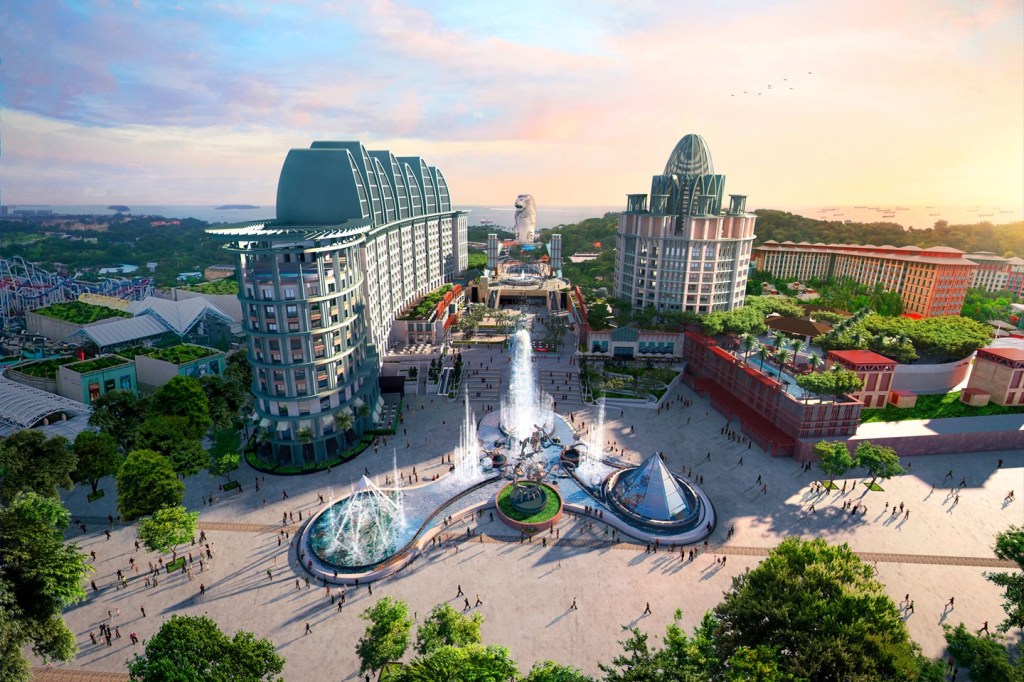
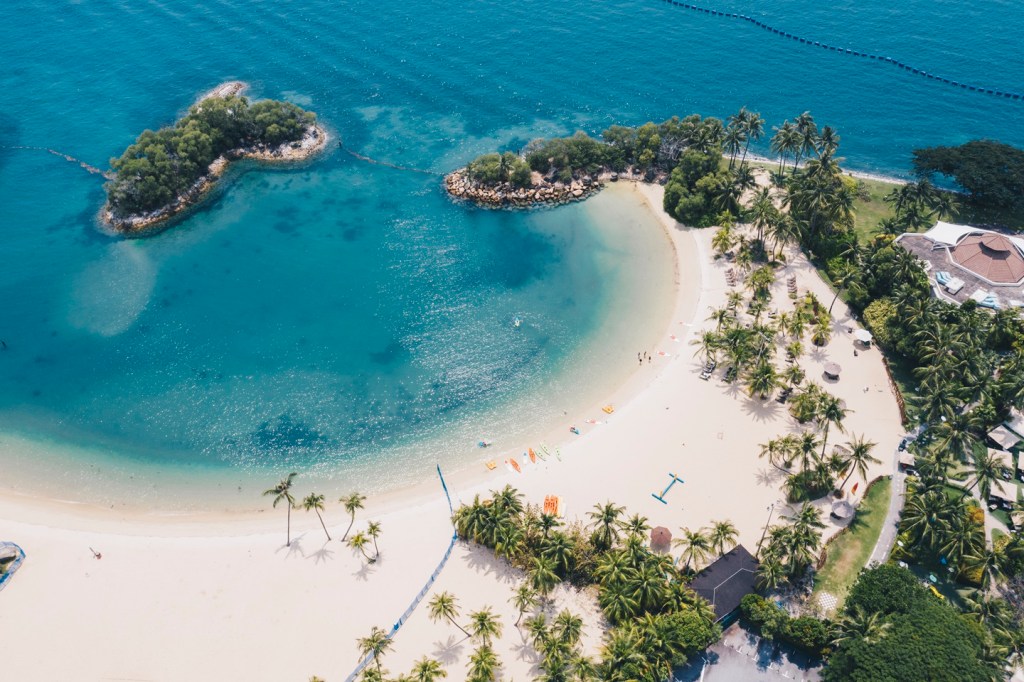
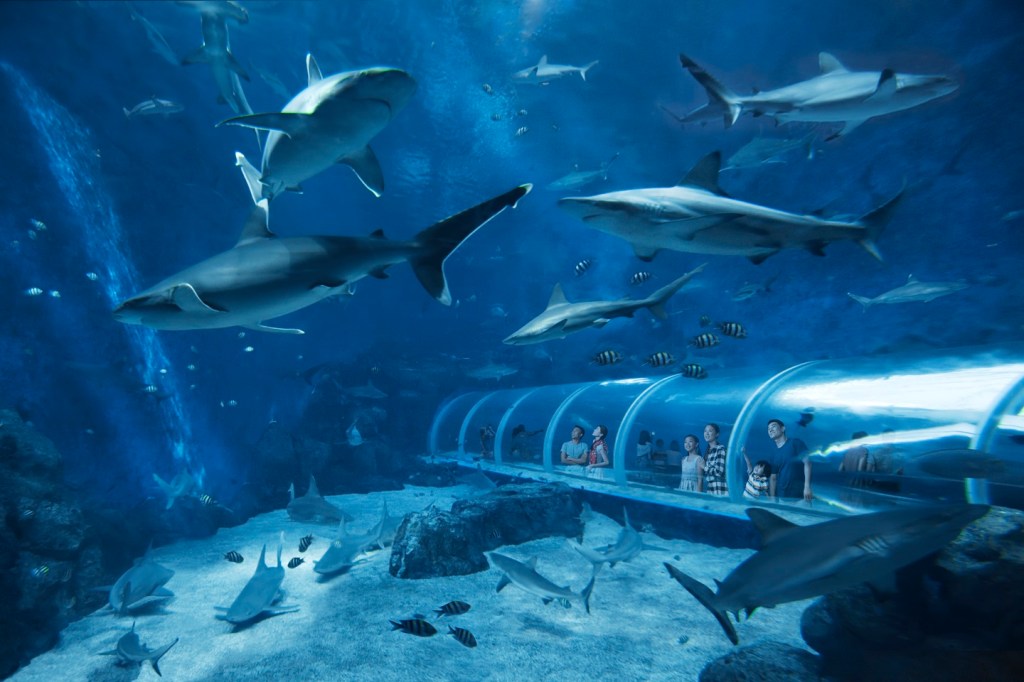
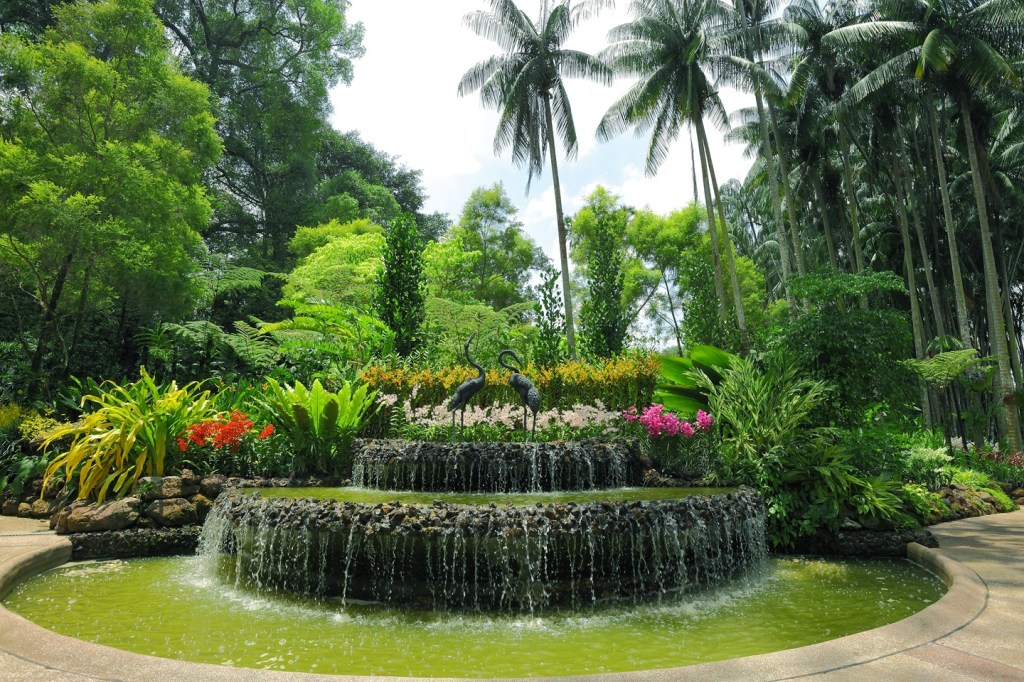
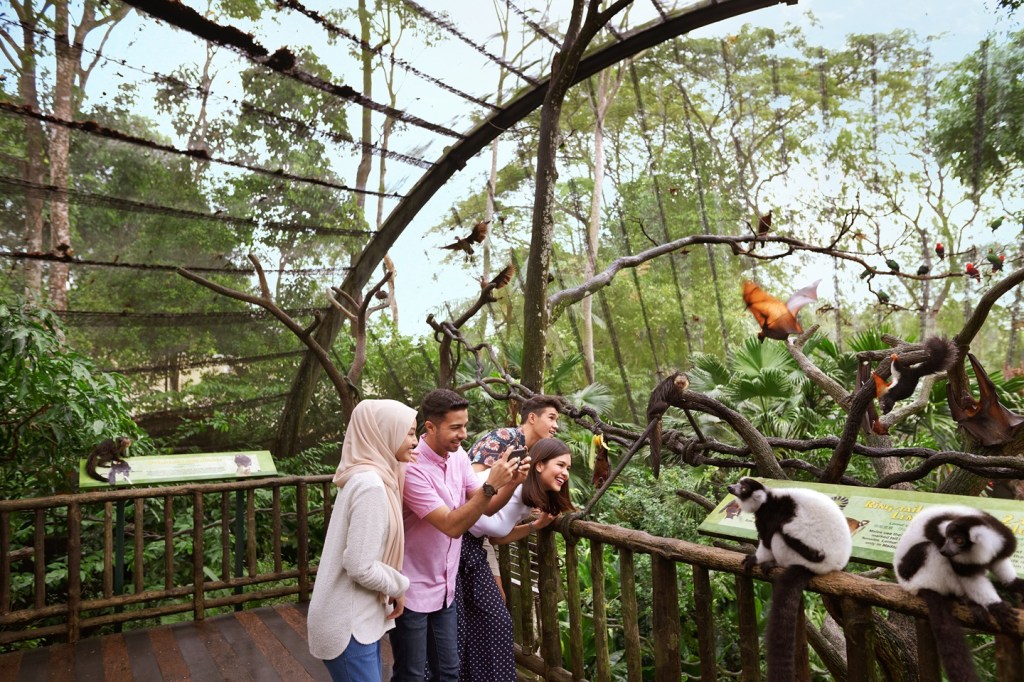
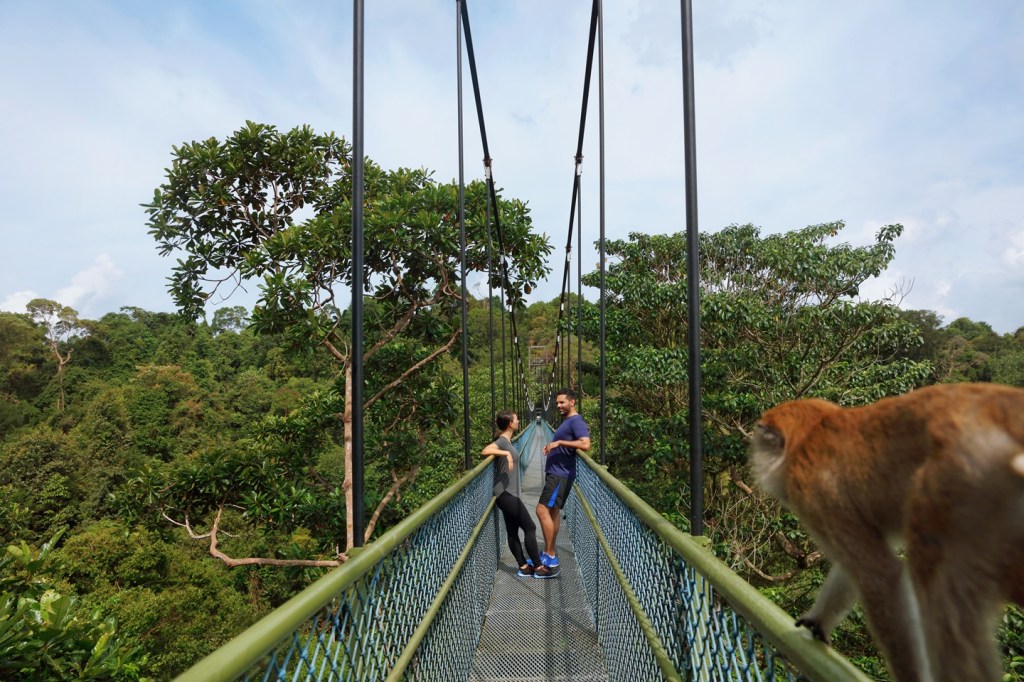
The Accompanying Person’s Programme will feature a thoughtfully crafted selection of attractions that showcase Singapore’s rich culture, vibrant entertainment, and stunning natural beauty. From iconic landmarks and heritage districts to world-class wildlife parks and thrilling destinations, the programme is designed to create a memorable experience for all accompanying guests. Beyond the official programme, these attractions remain accessible to all delegates, offering the perfect opportunity to explore and enjoy Singapore’s dynamic and diverse offerings, in a safe and comfortable environment.

World Class Public Transport
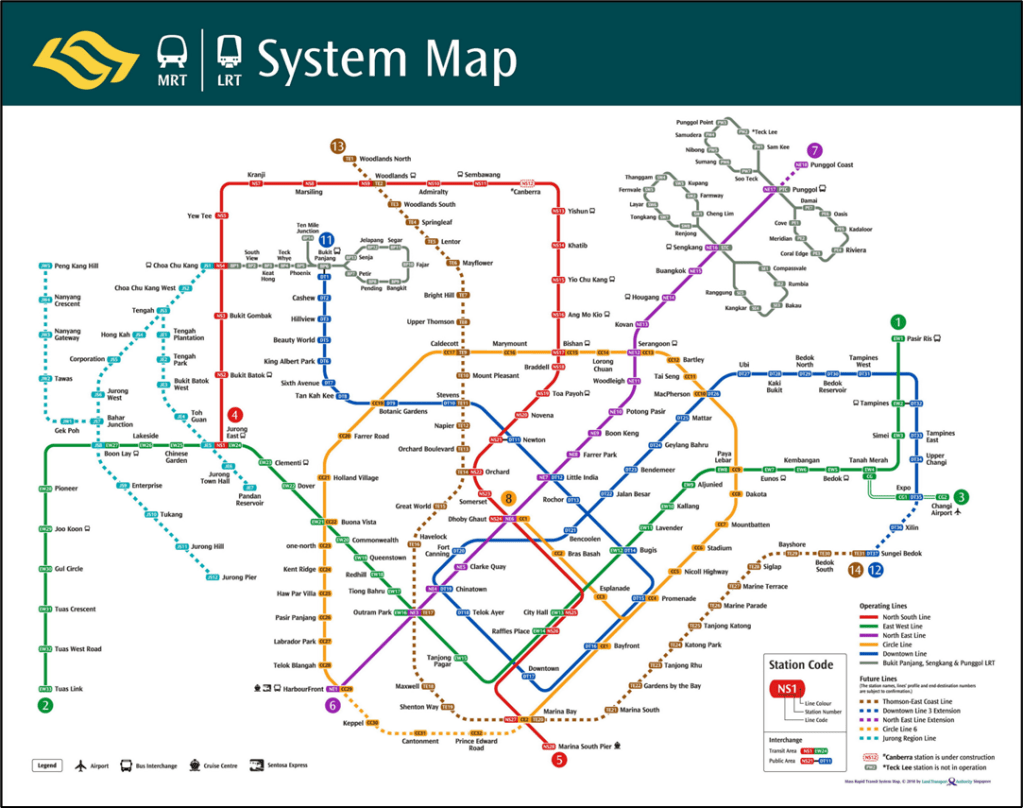
Singapore’s public transport system is anchored by the MRT, a fast and reliable rail network connecting key areas across the island. With ongoing expansions, it ensures seamless travel for millions daily. Complementing the MRT is an extensive bus network operated by SBS Transit and SMRT, providing comprehensive coverage and linking areas beyond the MRT’s reach. Taxis and ride-hailing services like Grab and Gojek offer convenient point-to-point travel, completing Singapore’s efficient and accessible transport system.
Complimentary Transport Card for all WTC2028 Delegates!
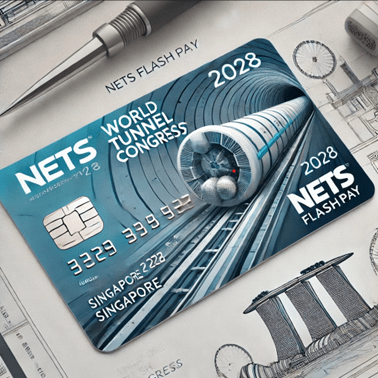
A customized FlashPay Card, with top up value sufficient for daily transport from conference venue to the accommodations, will be given as complimentary gift to all WTC 2028 delegates!
The card can be used for transportation using the MRT and bus network
for more information: http://www.visitsingapore.com/
The Singapore MICE Advantage Programme (SMAP)
The Singapore MICE Advantage Programme (SMAP) offers significant benefits to the World Tunnel Congress (WTC) 2028 by creating an exceptional business environment supported by world-class infrastructure and tailored services. SMAP ensures a seamless experience for event organizers and delegates, from the planning stages to the event’s conclusion, transforming WTC 2028 into a platform for innovation and collaboration. It also emphasizes sustainability and long-term impact through SECB’s “Meeting for Good” initiatives, which provide opportunities to engage with the local community, reduce the event’s carbon footprint, and leave a positive legacy. With integrated support from key partners like Changi Airport, Singapore Airlines, and local transportation providers, SMAP enhances the overall delegate experience, showcasing Singapore as an ideal destination for global events.
LOCAL SUPPORT
The Tunnelling and Underground Construction Society of Singapore (TUCSS) has over 1,100 Individual Members. TUCSS also enjoys the strong support of over 110 Corporate Members, whom we can count on to attend, sponsor and exhibit.
Singapore’s bid to host the World Tunnel Congress (WTC) 2028 has garnered overwhelming support from key stakeholders across the nation. Letters of endorsement have been received from prominent ministries, including the Ministry of National Development and the Ministry of Transport, as well as the Singapore Tourism Board. Government agencies such as the Building and Construction Authority (BCA), JTC Corporation, Land Transport Authority (LTA), Public Utilities Board (PUB), Singapore Power (SPPG), and Urban Redevelopment Authority (URA) have also pledged their support. Additionally, local professional associations, including the Institution of Civil Engineers Singapore, have rallied behind the bid.
This broad-based backing highlights Singapore’s unified commitment and collective enthusiasm to bring the prestigious WTC 2028 to its shores, showcasing the nation’s dedication to advancing tunneling and underground construction on a global stage.
Tunnelling in Singapore: In the news
- 10/01/2025 – Beneath the City: Exploring Singapore’s First 230kV Underground Electricity Substation
- 06/01/2025 – Three new MRT stations to link Downtown Line from Bukit Panjang to North-South Line by 2035
- 10/12/2024 – Punggol Coast MRT station opens, enabling commuters to save 15 minutes when travelling to city centre
- 15/11/2024 – LTA awards $562m contract for MRT station, tunnels; extension to benefit over 40,000 households
- 16/08/2024 – LTA awards contracts worth $599m for Cross Island Line tunnels and power supply system
- 13/08/2024 – Tunnelling routes safely: How ‘mechanical earthworms’ help engineers create better rail connectivity
- 31/07/2024 – KTC wins another Cross Island Line Phase 2 contract
- 29/07/2024 – Connecting two MRT lines: The challenge of building a linkway beneath a train station in Orchard
- 15/07/2024 – CREG Slurry TBM with double-shell shield ready for Singapore CR116 Metro Project
- 15/07/2024 – CREG Slurry TBM Ready for Singapore CR116 Metro Project
- 21/06/2024 – We are not done expanding the rail network,’ says PM Wong at opening of Thomson-East Coast Line Stage 4
- 21/06/2024 – Singapore awards further tunnelling contracts for Cross Island Line
- 19/06/2024 – LTA Awards Further Cross Island Line Contract
- 19/06/2024 – LTA awards Japanese joint venture $242m contract to build tunnels for Cross Island Line
- 28/05/2024 – Singapore LTA Awards Cross Island Line Phase 2 Contract
- 28/05/2024 – LTA awards $530m contract for Cross Island Line’s Turf City station; work to start in Q3 2024
- 22/05/2024 – Tunnelling through crowded areas, how engineers navigated constraints to build 7 new Thomson-East Coast Line stations
- 22/05/2024 – TEL Stage 4: The challenge of building an MRT tunnel close to the KPE
- 21/04/2024 – 2.5km underground link to be built between Changi Airport T2 and future T5
- 01/02/2024 – Contract Awarded for CRL2’S Maju Station and Tunnels
- 31/01/2024 – Work on Cross Island Line’s Maju station to start in Q2 2024; $480m contract awarded
- 13/12/2023 – TWRP Pipeline-C1 Tunnel Breaks Through in Singapore
- 31/10/2023 – Tunneling Complete for Singapore’s Sewage Superhighway
- 13/10/2023 – Singaporean Unit of China’s STEC Wins USD454 Million Tunnel Construction Deal from Singapore’s Changi Airport
- 13/10/2023 – Innovative construction methods to be used to build Singapore metro extension
- 13/08/2023 – Tunneling Complete for Singapore’s Sewage Superhighway

 ITA World Tunnel Congress 2028 Singapore